Buyer takeaway
Clarify the connector requirement
Compare product and solution paths
Prepare RFQ details before quotation
Voltage platform is only the first filter
A nominal 400V or 800V description does not fully specify a connector. Maximum working voltage, transient conditions and the project safety basis must be confirmed before comparing interfaces.
Current and thermal conditions
Continuous current, peak current, cable cross-section, contact resistance, ambient temperature and heat dissipation affect connector and terminal selection. Higher voltage does not automatically mean the same current path.
Insulation and packaging
Voltage requirements influence insulation, creepage, clearance and touch-protection review. Installation space, cable exit, connector orientation and module geometry remain application-specific.
Shielding, HVIL and sealing
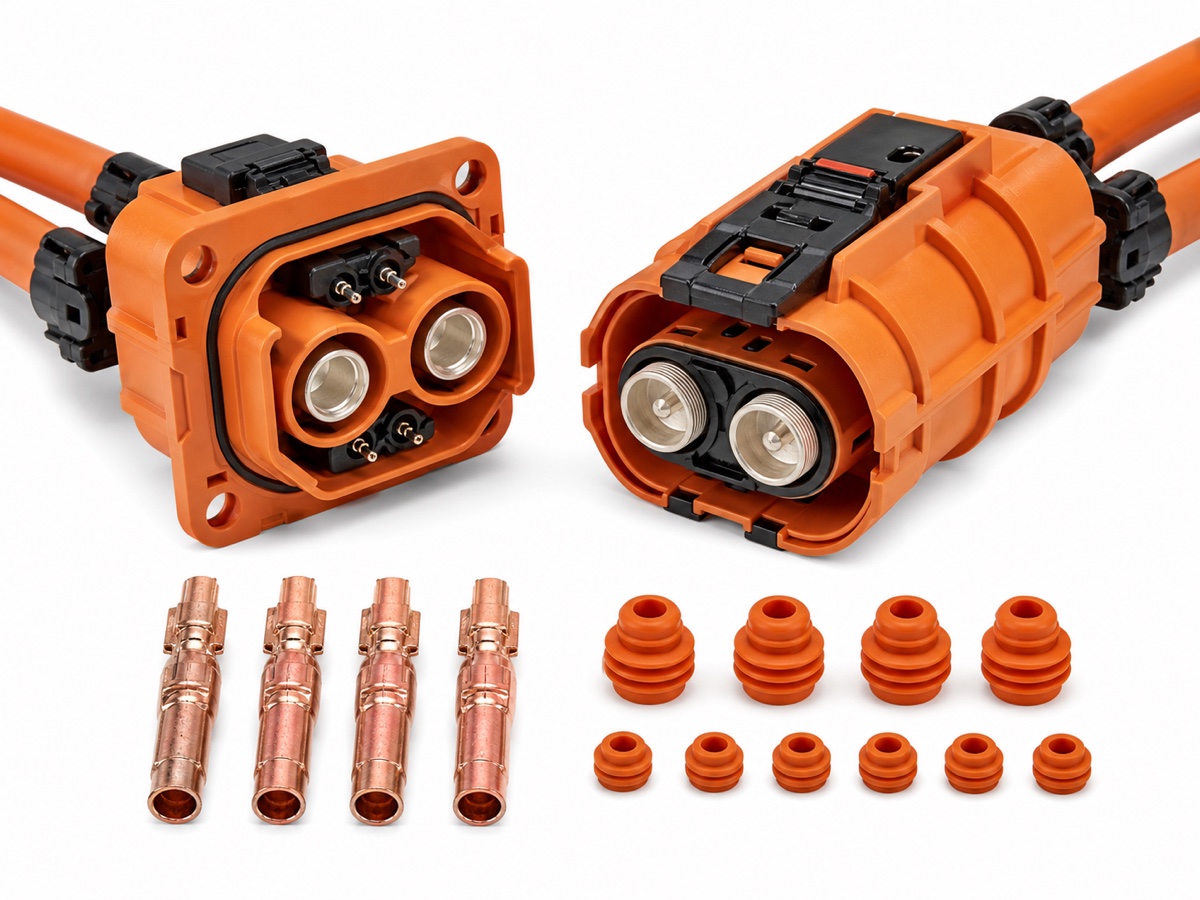
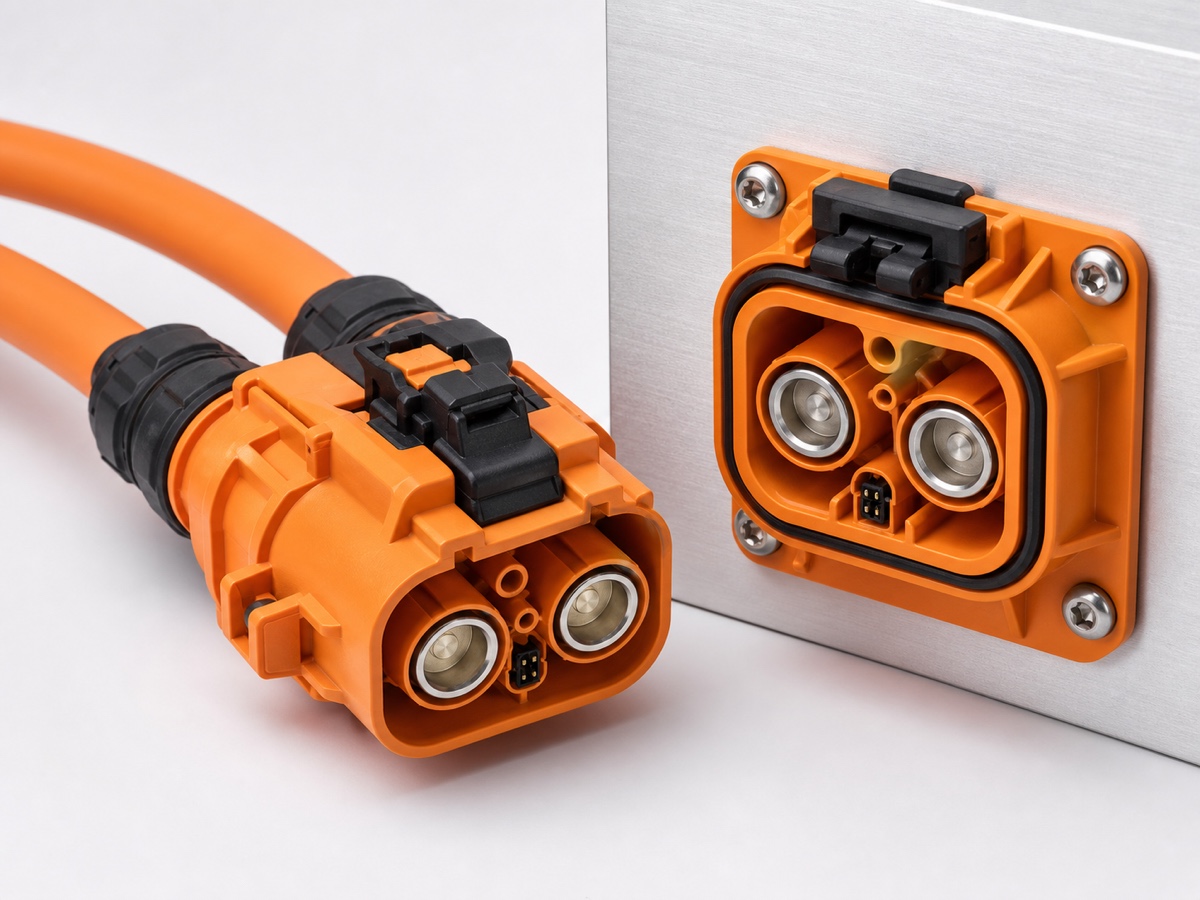
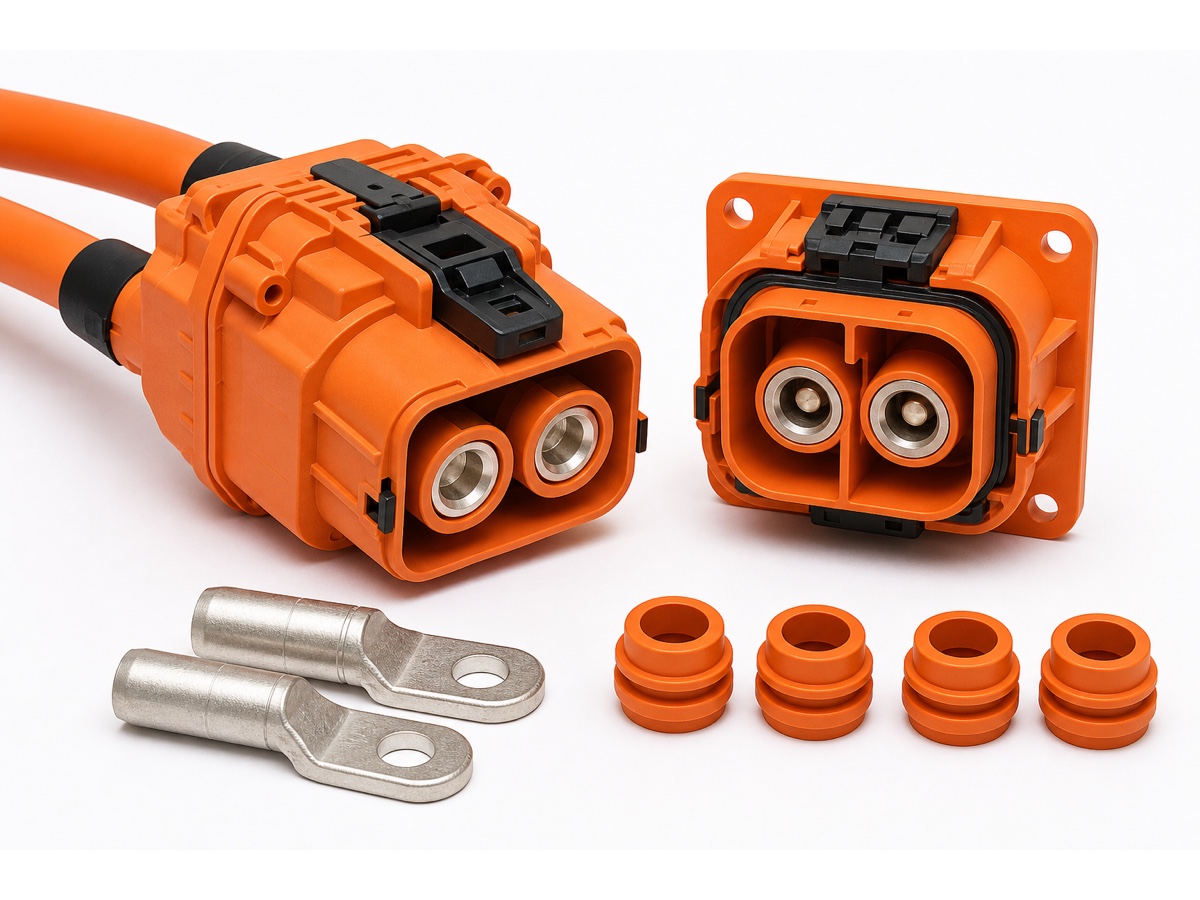
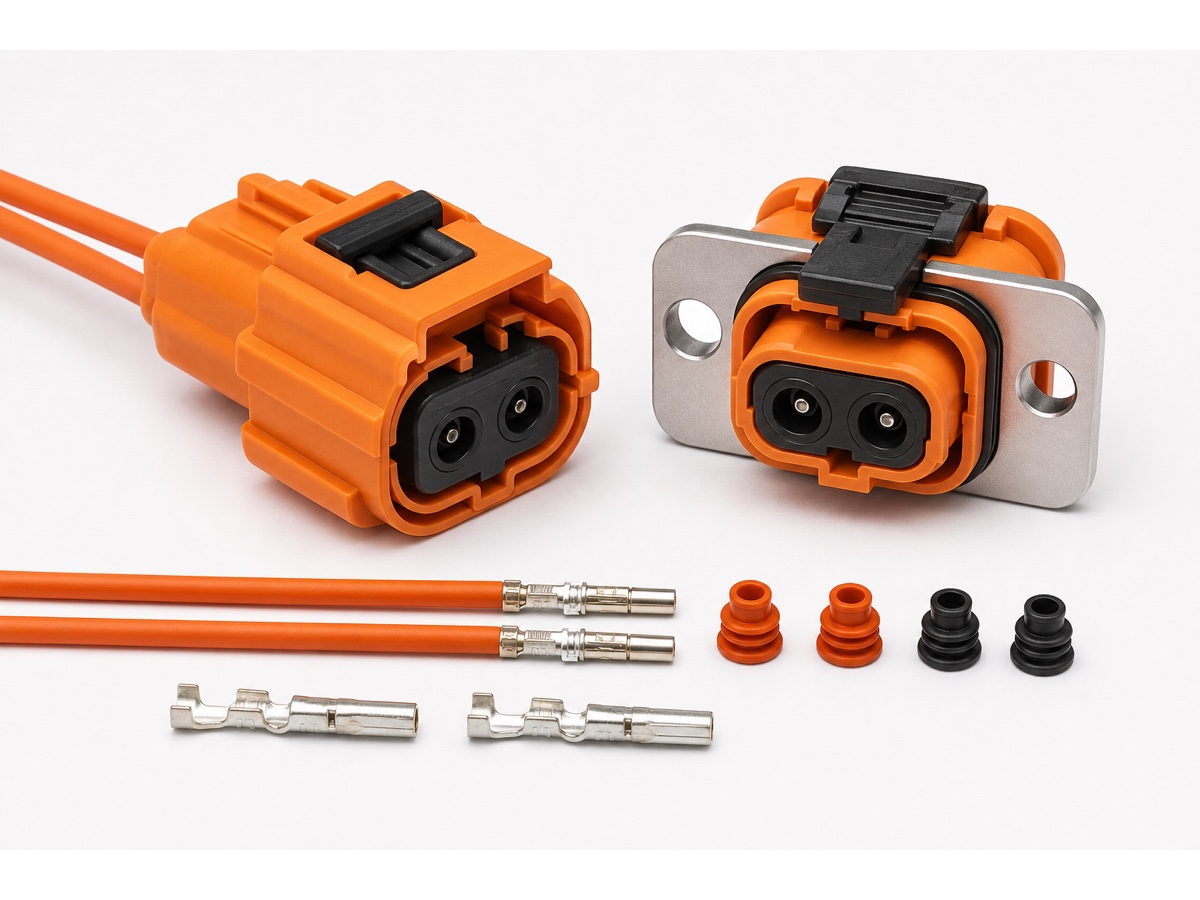
The project may also require shielding, high-voltage interlock, connector position assurance and environmental sealing. These features should be stated explicitly in the RFQ.
RFQ information
Provide nominal and maximum voltage, current profile, cable size, shield requirement, HVIL, IP target, temperature, module drawing and project validation stage.
FAQ
Common questions
Common procurement and engineering questions related to this topic.
Can one high-voltage connector be used on both 400V and 800V platforms?
Only when its controlled specifications and the full application review support both projects. Nominal platform names alone are not enough.
What changes when moving from 400V to 800V?
Voltage-related insulation and safety requirements may change, while current, cable, thermal, shielding and packaging requirements still need a separate review.