Buyer takeaway
Clarify the connector requirement
Compare product and solution paths
Prepare RFQ details before quotation
Begin with document control
Check the part number, drawing number, revision, issue date, units and applicable notes. A dimension comparison is unreliable when two drawings refer to different revisions or mating components.
Read the mating interface
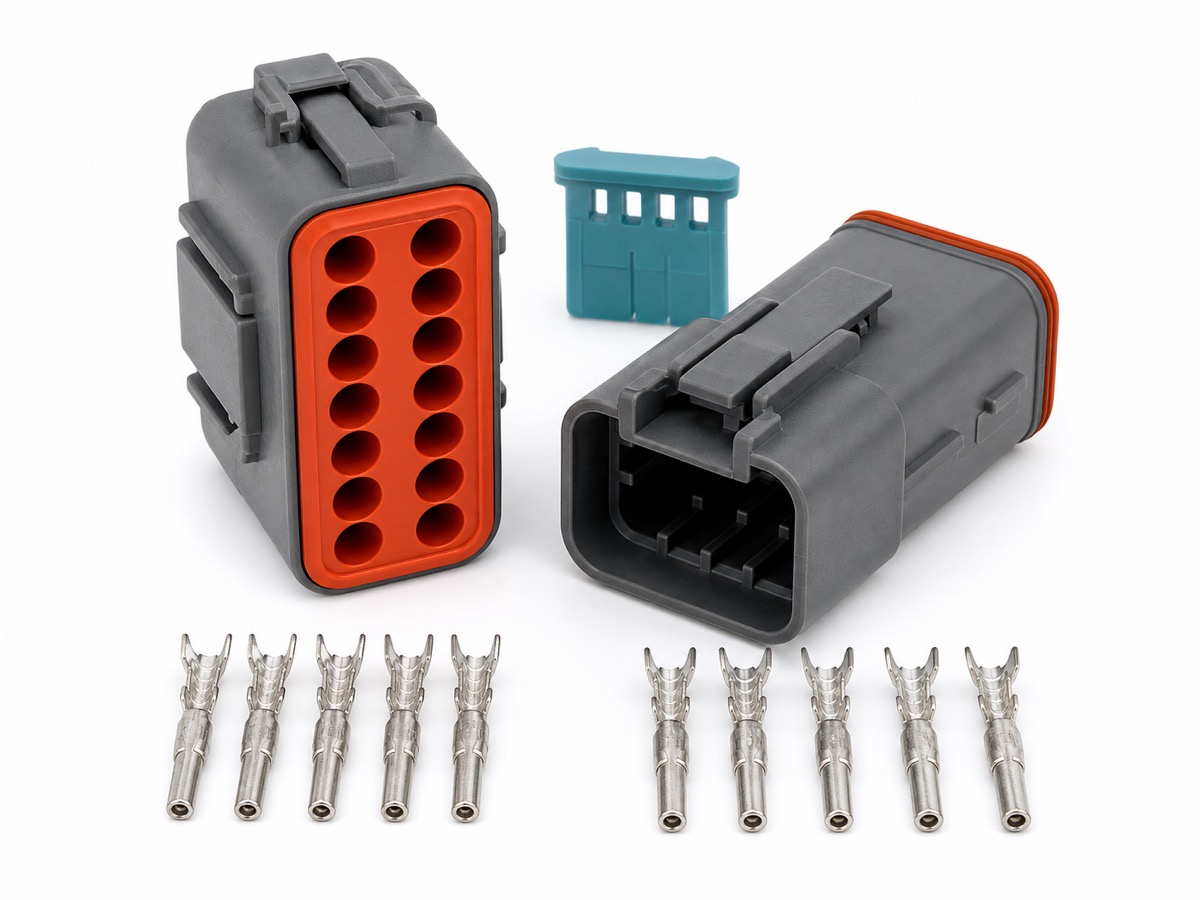
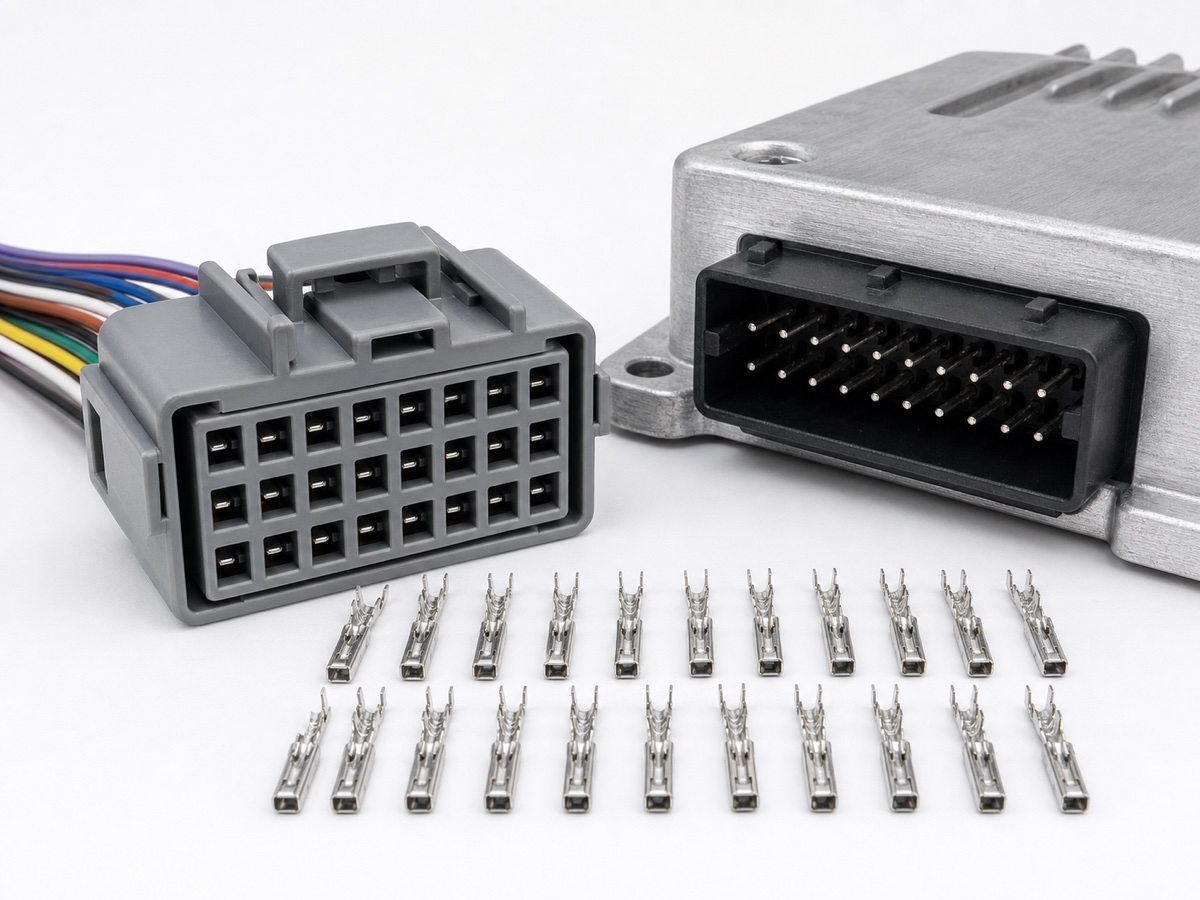
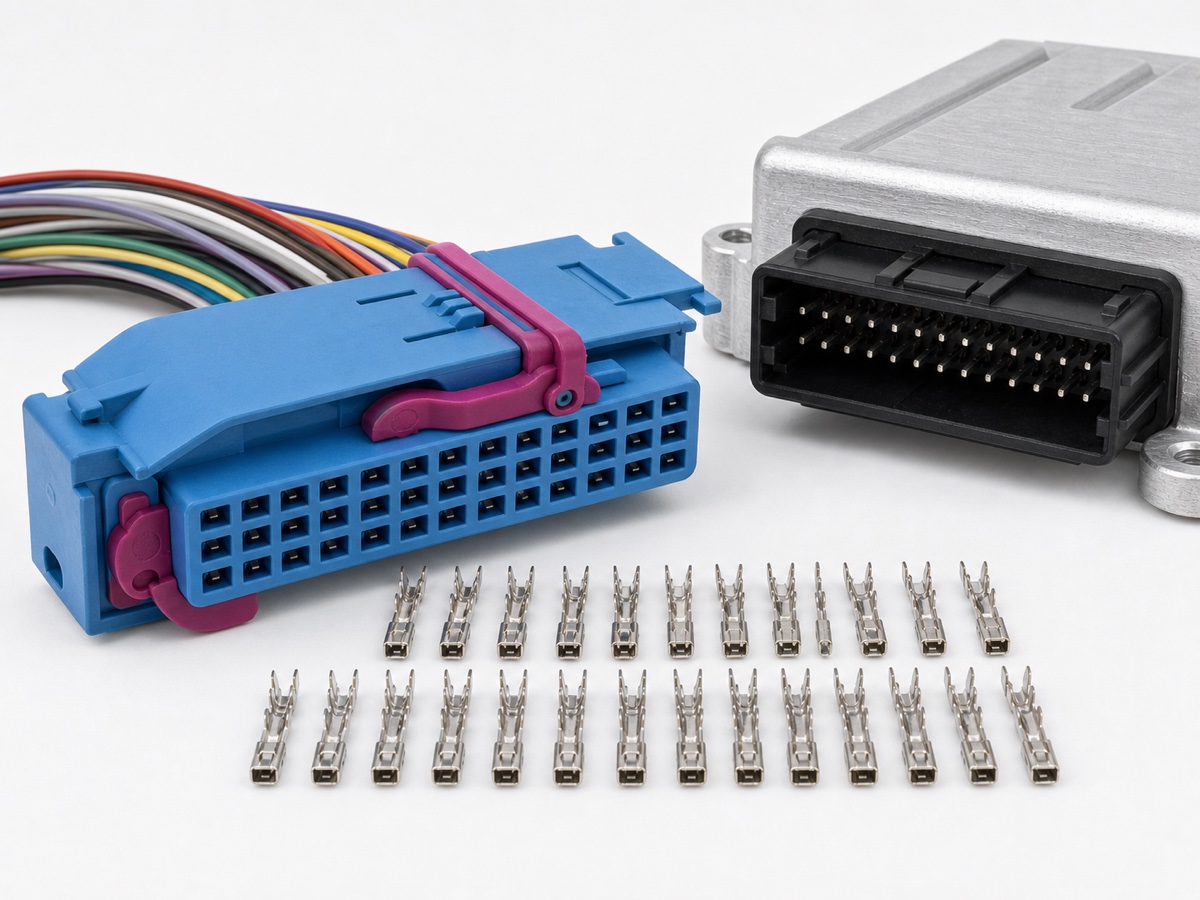
Compare cavity count, pitch, keying, polarization, latch location, datum references and connector-position view. Front and rear views are easy to confuse, so orientation must be stated clearly.
Review terminal and wire information
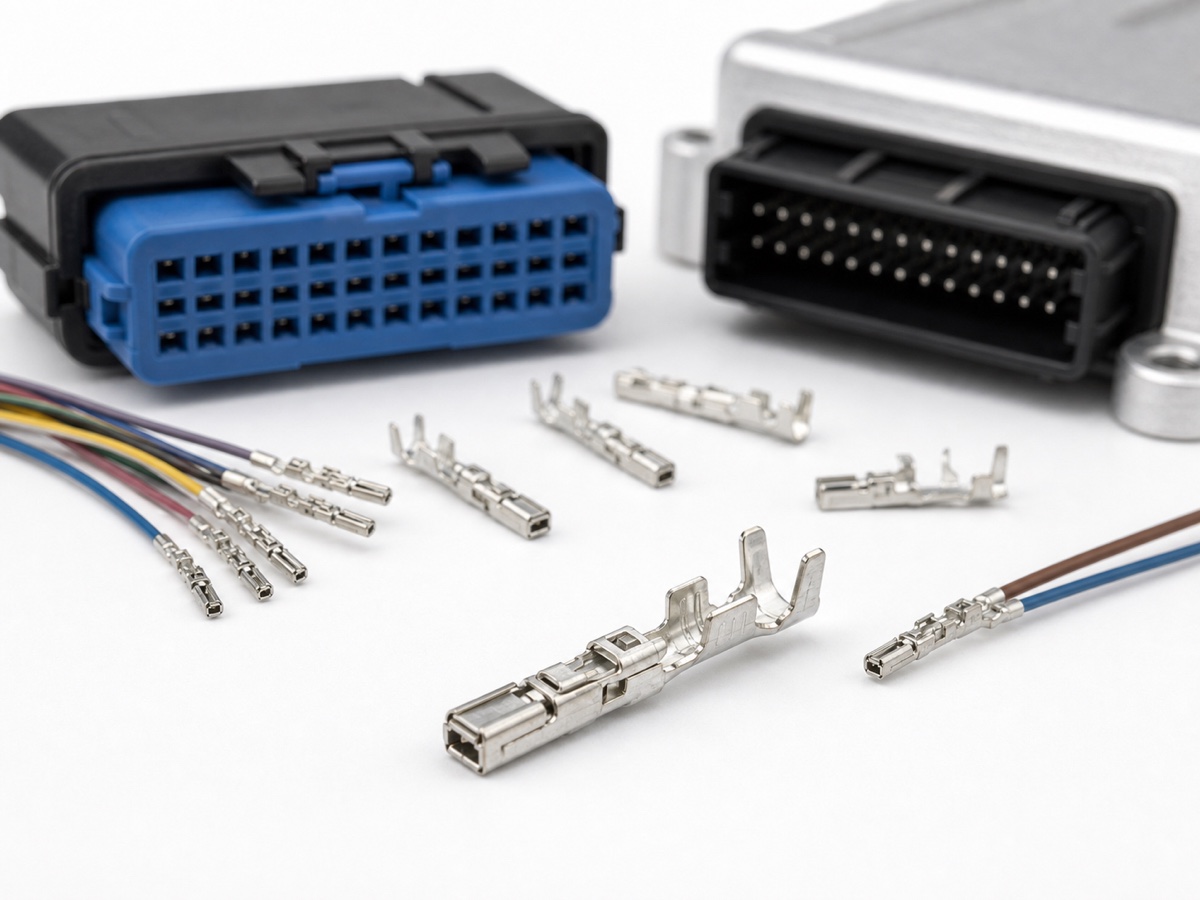
Identify the approved terminal family, wire range, seal, cavity plug and secondary lock. A housing drawing may reference separate controlled drawings for these components.
Check material and performance notes
Record specified housing, terminal, plating and seal requirements, together with electrical and environmental notes. Do not replace missing specifications with assumptions from product appearance.
Prepare an RFQ comparison table
List every requirement as matched, different, missing or pending verification. Attach both drawings, photos and the mating-side reference so engineering questions remain traceable.
FAQ
Common questions
Common procurement and engineering questions related to this topic.
Which connector drawing view is most important for cross-reference?
The mating interface is critical, but keying, latch, terminal, seal, overall dimensions and revision information must also be compared.
Can missing drawing values be inferred from a product photo?
No. Photos can support identification, but controlled dimensions and specifications should be verified from drawings, samples or supplier documentation.