Buyer takeaway
Clarify the connector requirement
Compare product and solution paths
Prepare RFQ details before quotation
Confirm sample identity
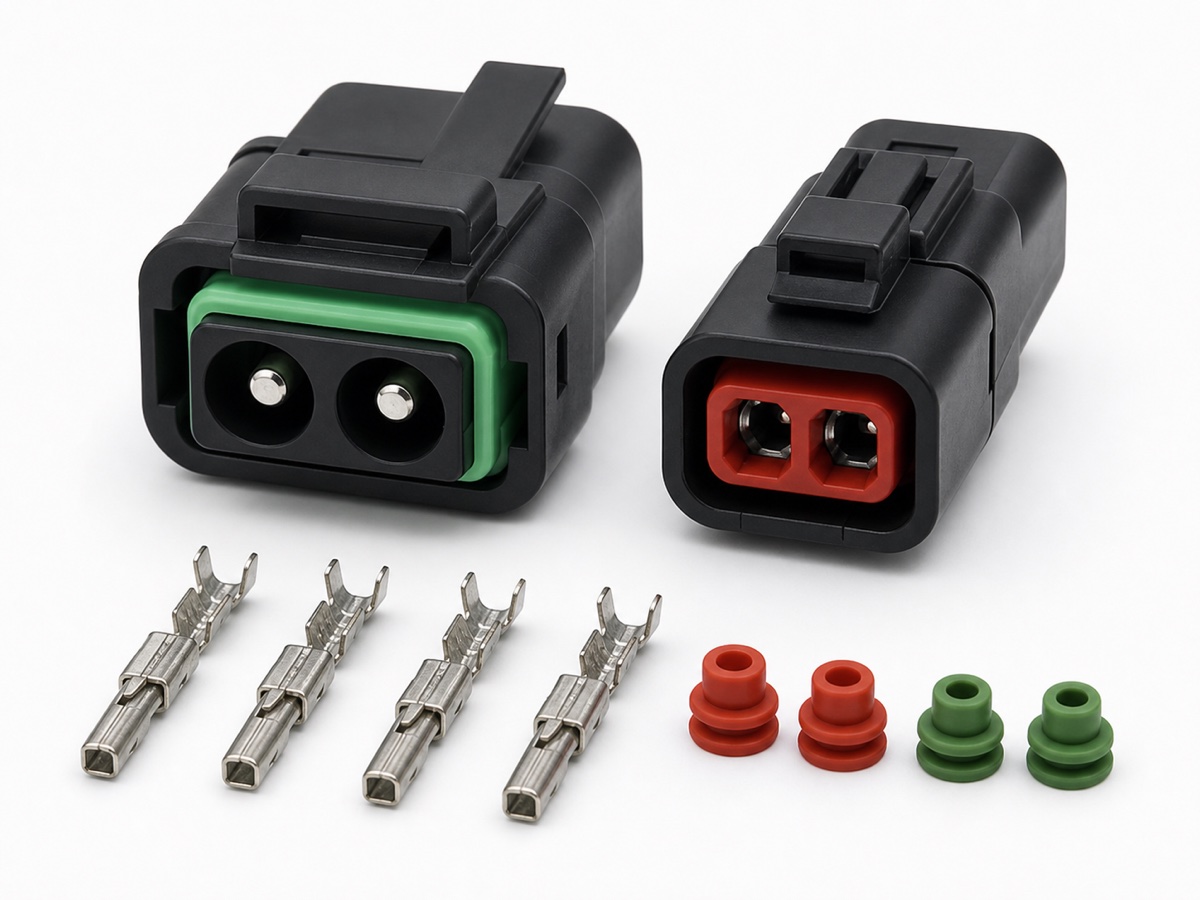
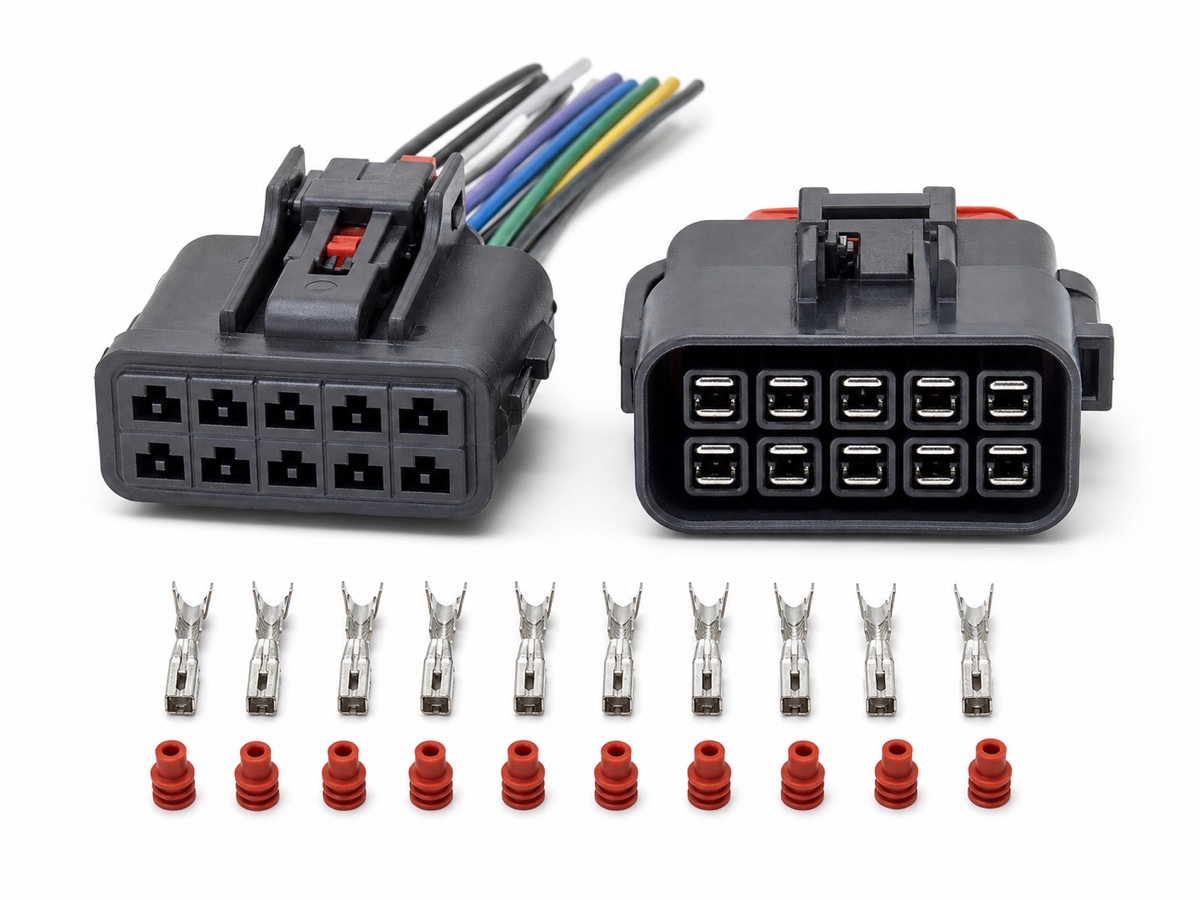
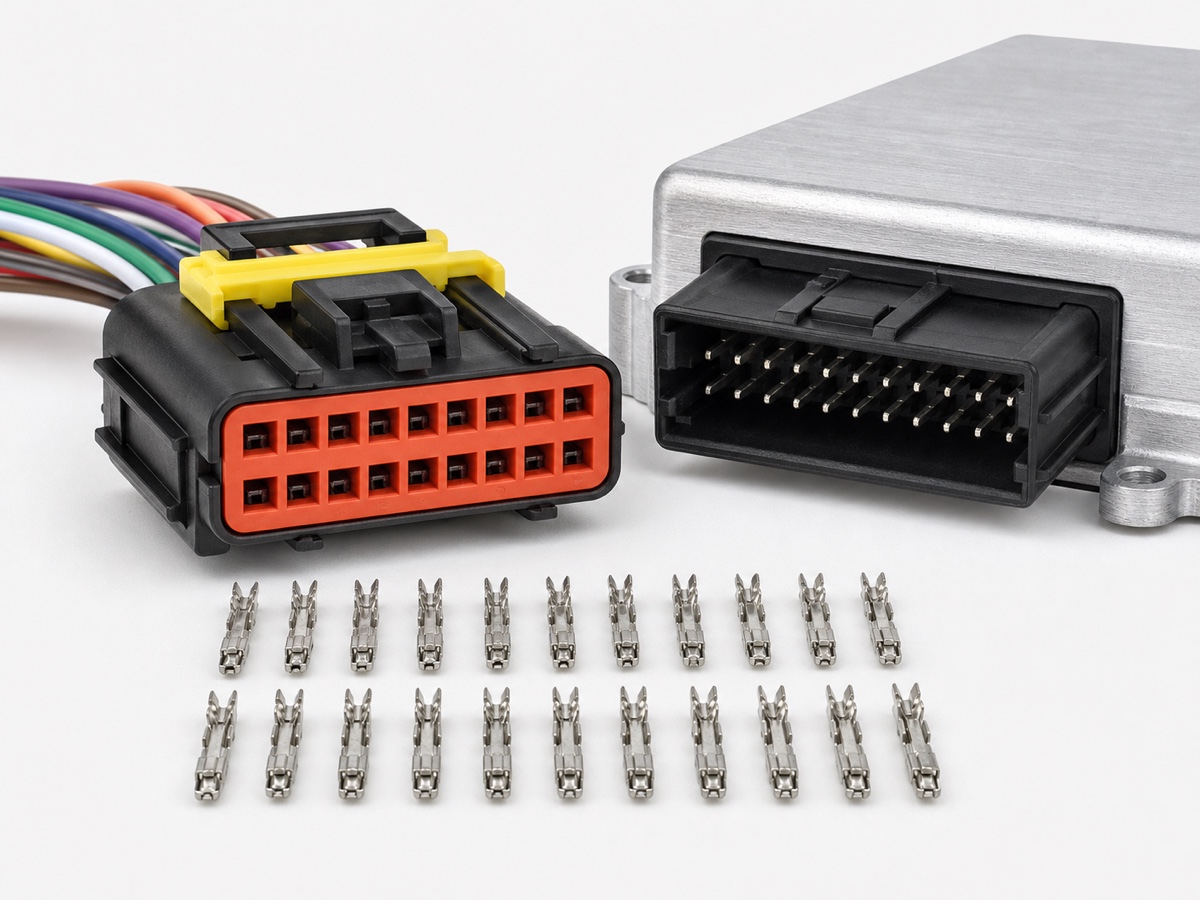
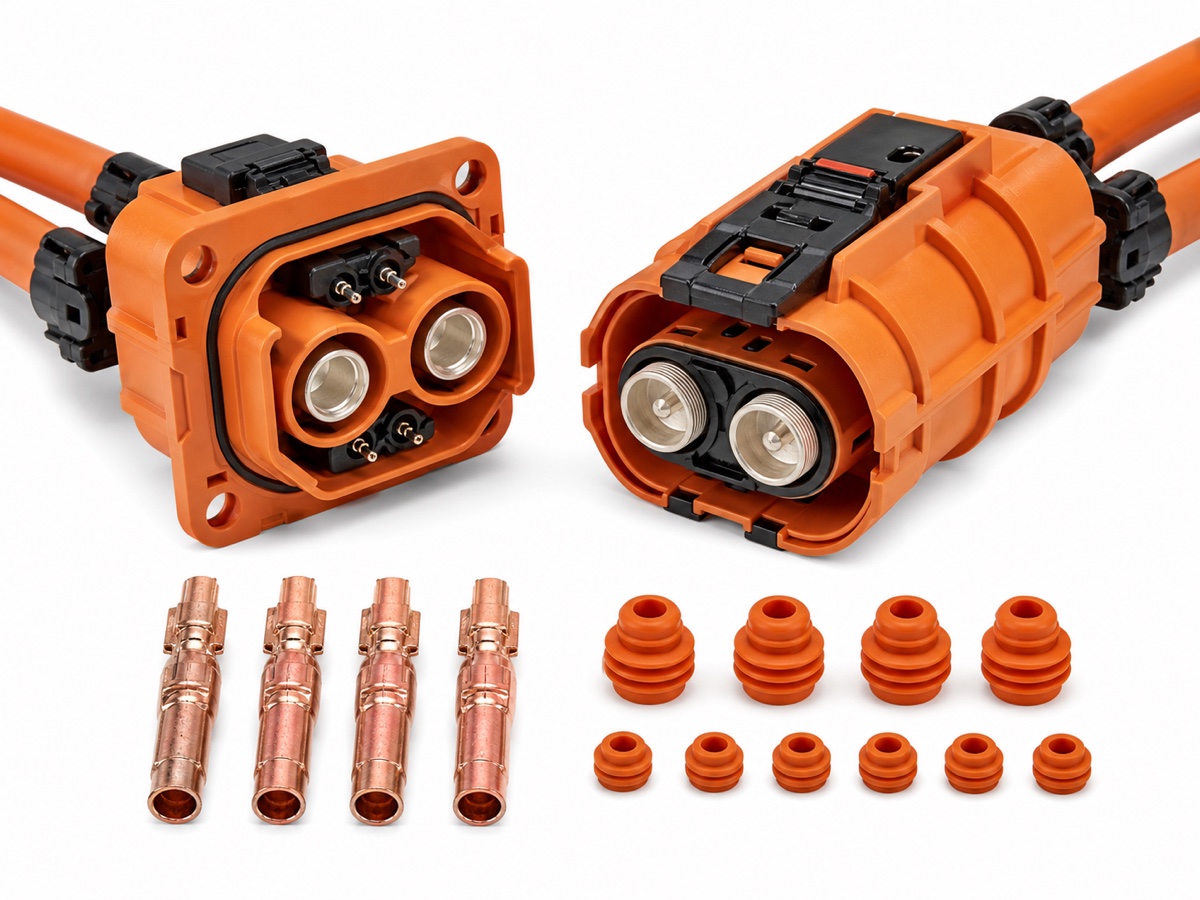
Record the supplier model, revision, cavity count, color, keying, mating part and included accessories. Photos should show the front face, rear wire side, latch and secondary lock.
Check mating and mechanical fit
Confirm orientation, insertion, latch engagement, CPA or secondary-lock operation, polarization and removal. Do not force a sample that only appears similar to the reference connector.
Review terminals, seals and plugs
Verify terminal family, wire range, plating requirement, seal size and unused-cavity plugs. The housing alone does not represent the complete production connector kit.
Compare documents
Review controlled drawings, material information, electrical ratings and assembly instructions against the project requirement. Any missing or provisional field should remain open rather than assumed.
Approve against the application
Final approval should follow the buyer's validation plan for electrical, environmental, mechanical and production requirements. Keep signed samples and records linked to the approved revision.
FAQ
Common questions
Common procurement and engineering questions related to this topic.
Is successful mating enough to approve a connector sample?
No. Identity, terminals, seals, dimensions, electrical requirements, environment and production assembly must also be reviewed.
Why should an approved sample be linked to a revision?
It prevents later shipments or drawings from being accepted against an outdated or unidentified configuration.