Buyer takeaway
Clarify the connector requirement
Compare product and solution paths
Prepare RFQ details before quotation
Why hybrid interfaces are used
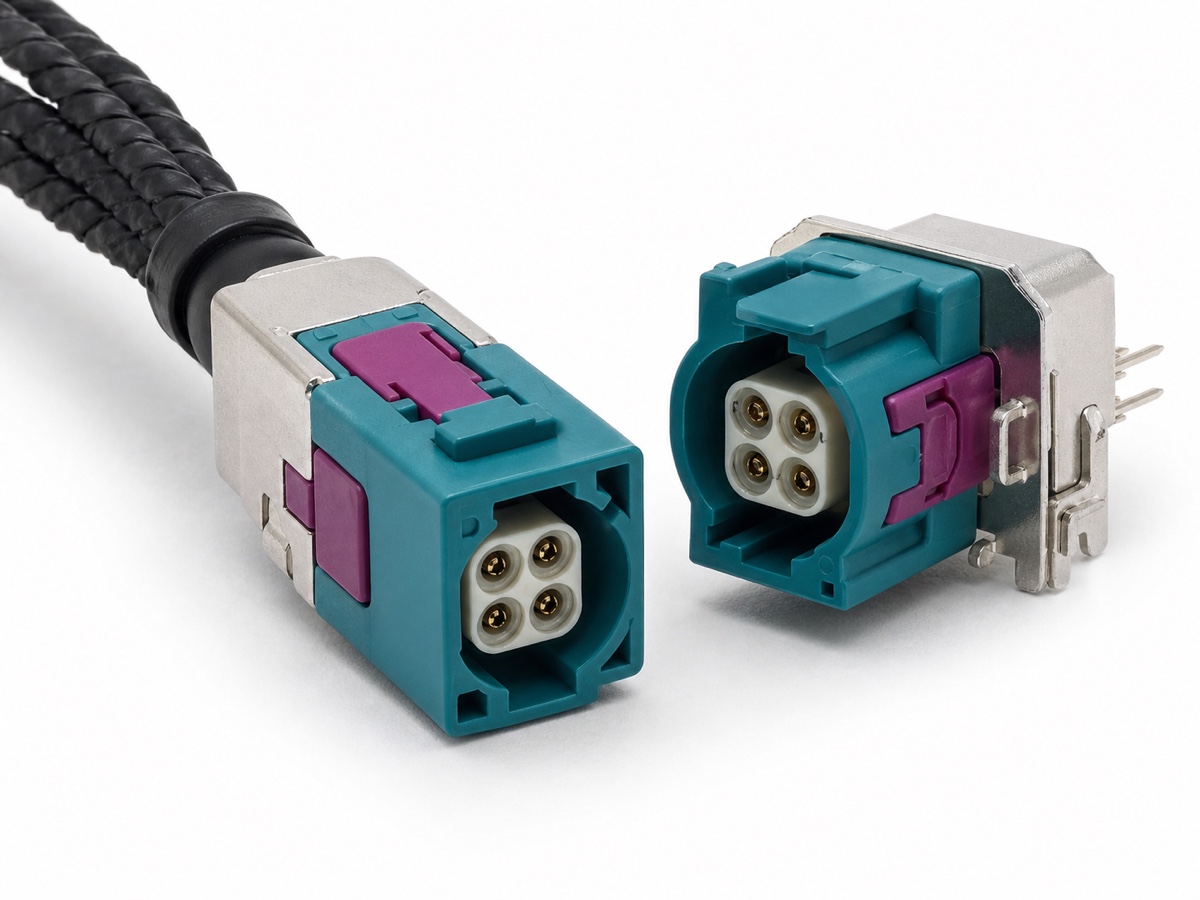
Vehicle modules may need power, low-voltage signal and high-speed data in limited space. A hybrid interface can consolidate several connector functions, but it also increases pin-map and validation complexity.
Separate each circuit requirement
Power circuits require current and thermal review. Signal circuits require terminal and noise consideration. High-speed data paths require the correct cable and controlled interface. They should not be treated as identical cavities.
Mechanical architecture
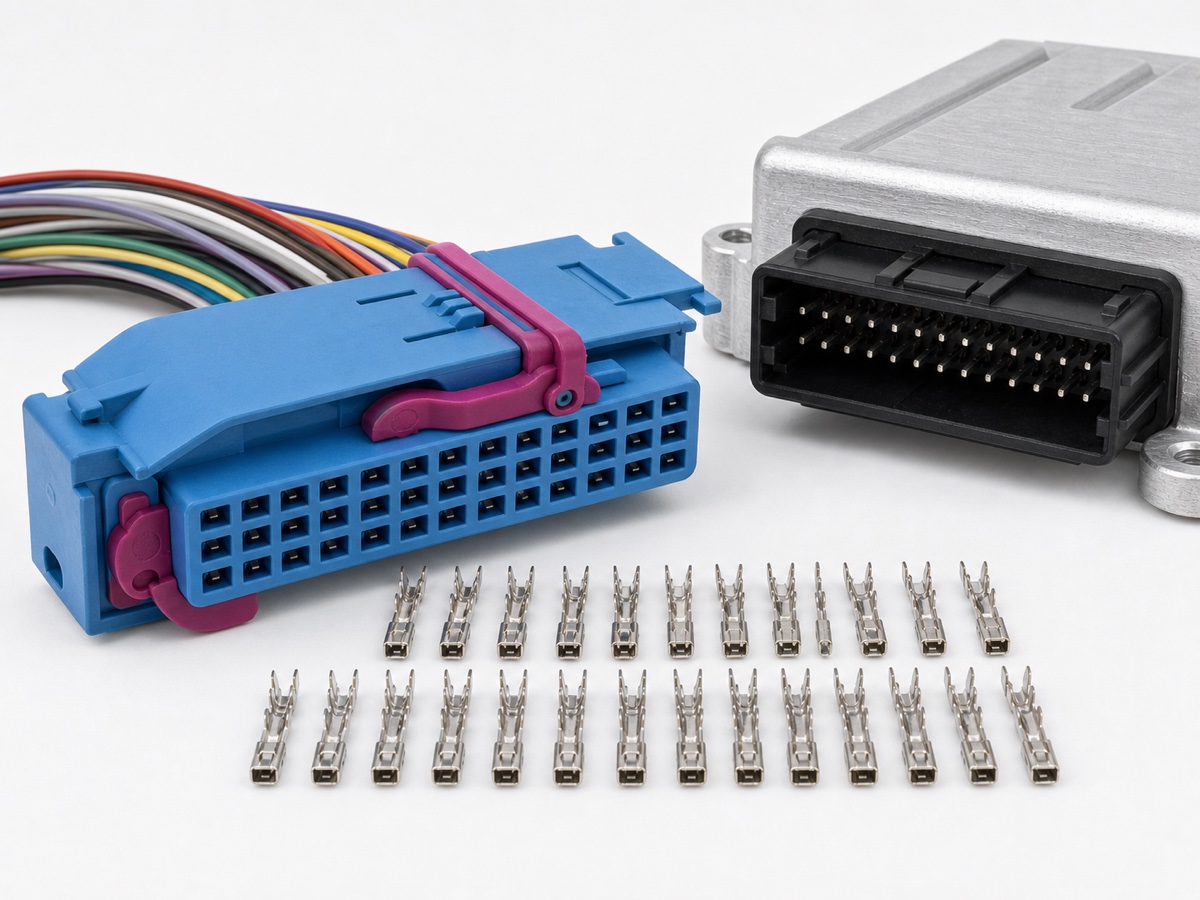
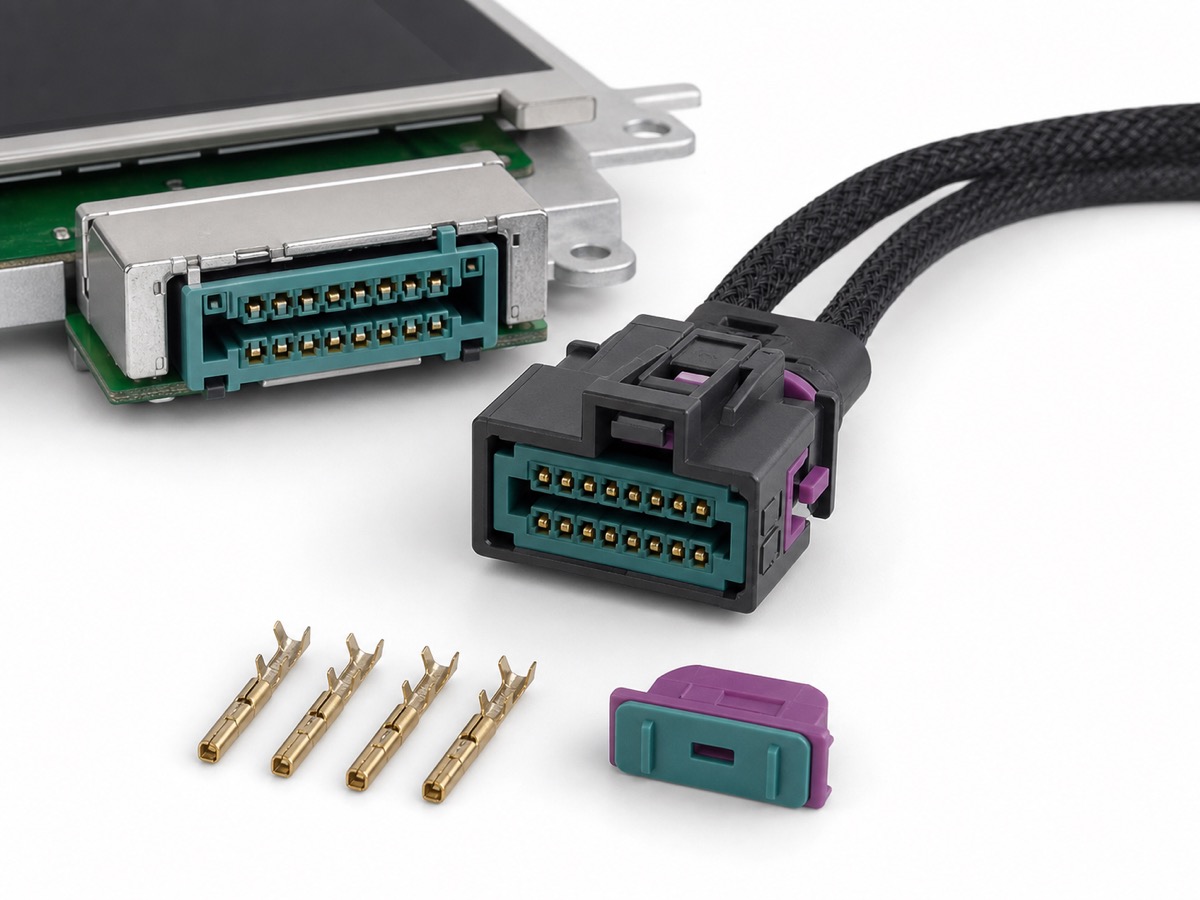
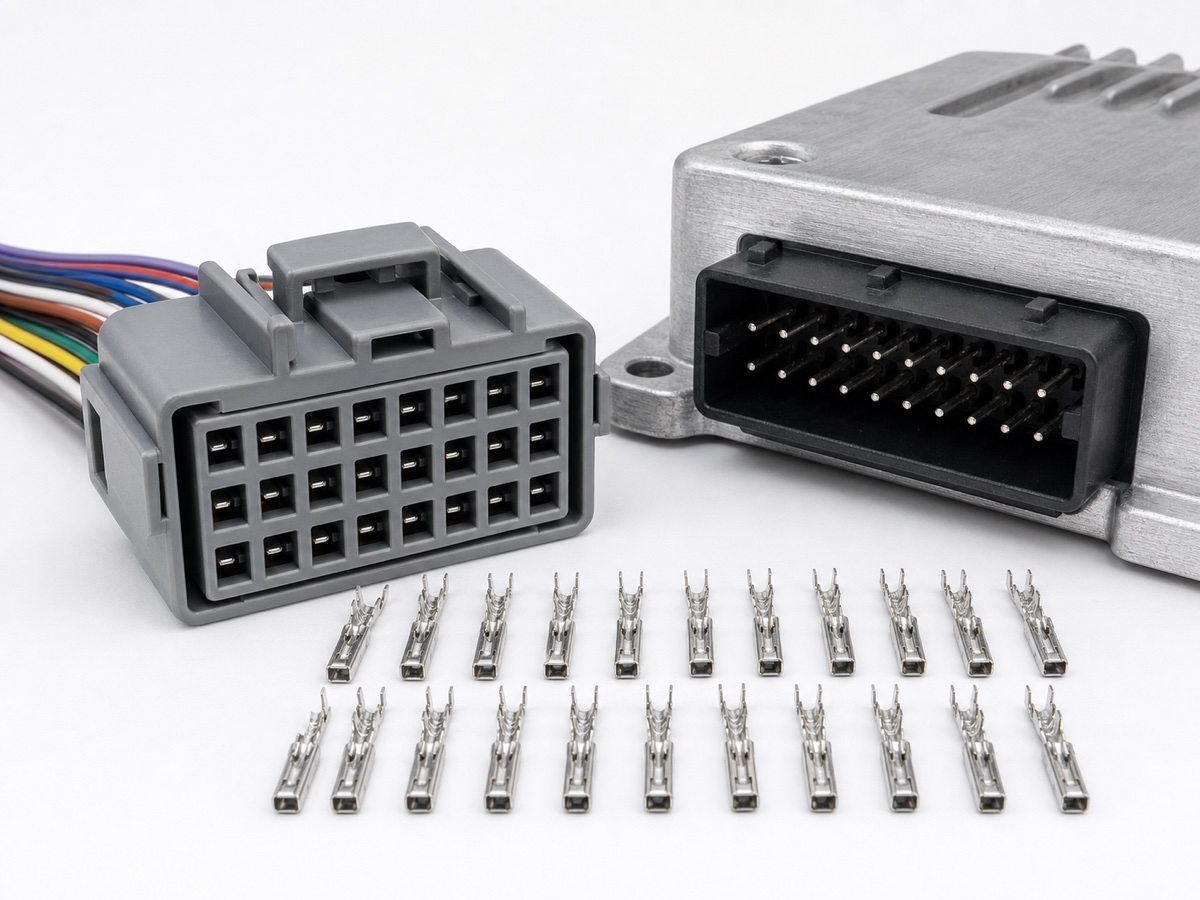
Review modular inserts, keying, connector orientation, latch access, PCB header, harness exit and service method. Cartridge or mixed-terminal designs require an exact configuration record.
Zonal and centralized modules
High-density hybrid interfaces can support zonal controllers, ADAS modules, displays and body electronics. The final choice depends on the module architecture rather than a generic connector category.
RFQ information
Provide the circuit allocation, voltage/current, signal or data type, cable, pin map, header drawing, installation space and project validation requirements.
FAQ
Common questions
Common procurement and engineering questions related to this topic.
Does hybrid mean every cavity can carry power or data?
No. Each cavity or module has a defined terminal and electrical function. The approved configuration and pin map must be followed.
What is the main sourcing risk with hybrid connectors?
A similar outer housing can contain a different insert, keying or circuit allocation, so the exact configuration must be documented.