Buyer takeaway
Clarify the connector requirement
Compare product and solution paths
Prepare RFQ details before quotation
Start with connector location
The installation location is the first decision point. Engine bay, chassis and exterior harness branches may face water, dust, fluids and temperature changes, while protected cabin or module locations may not need the same sealing structure.
What a sealed system includes
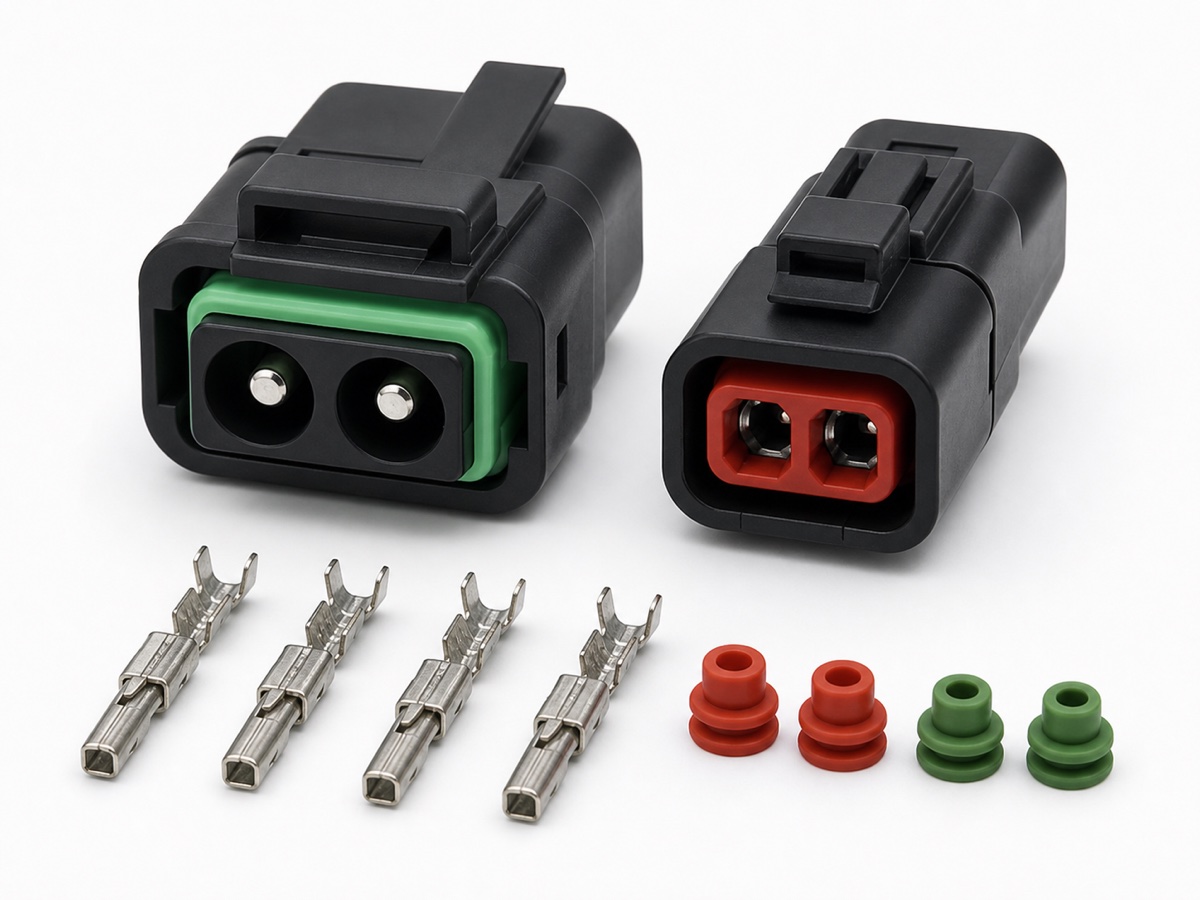
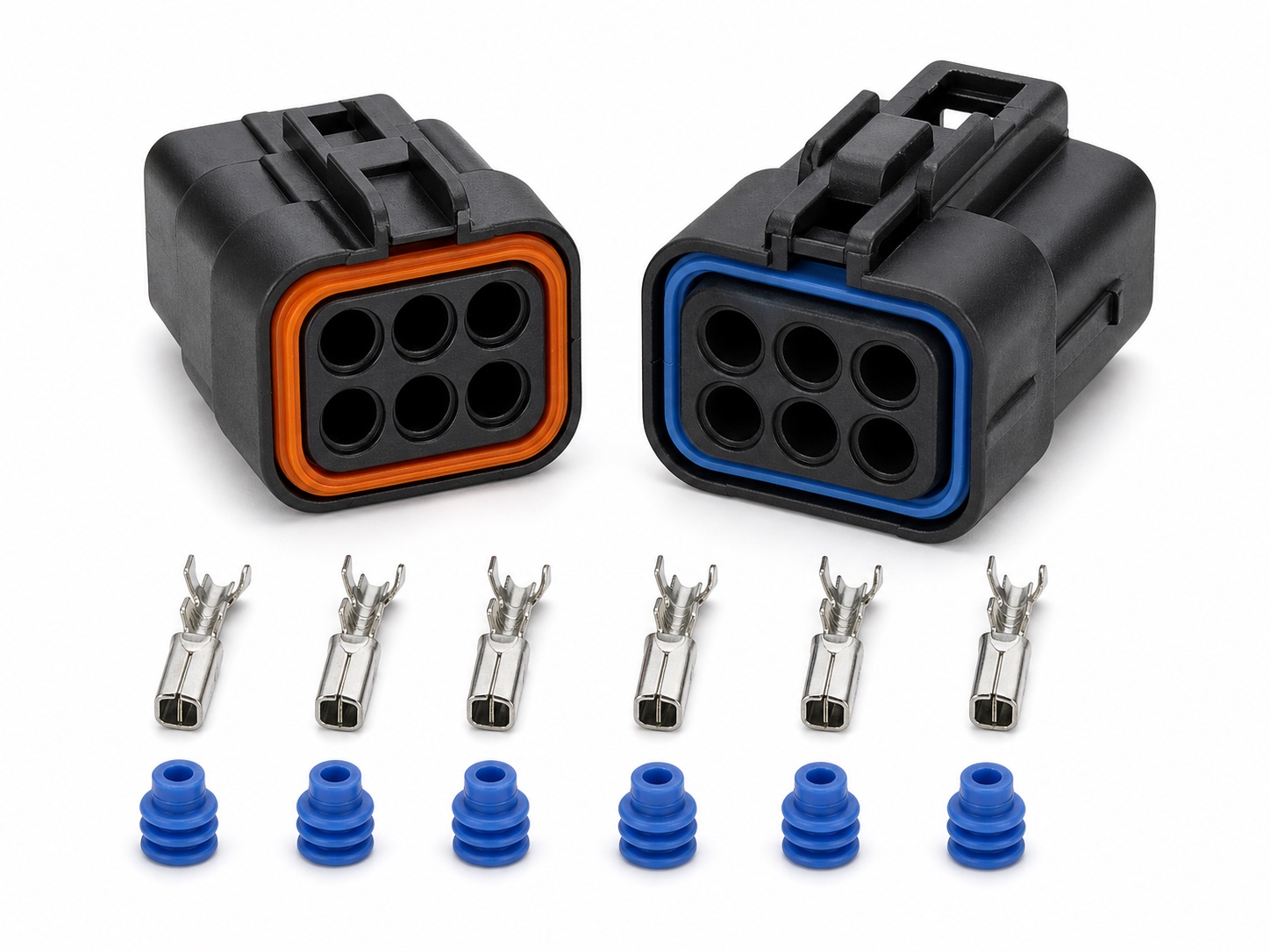
A sealed connector is a system rather than a housing label. The interface seal, individual wire seals, cavity plugs, terminal fit, cable outer diameter and assembly process all affect the completed connection.
When unsealed connectors make sense
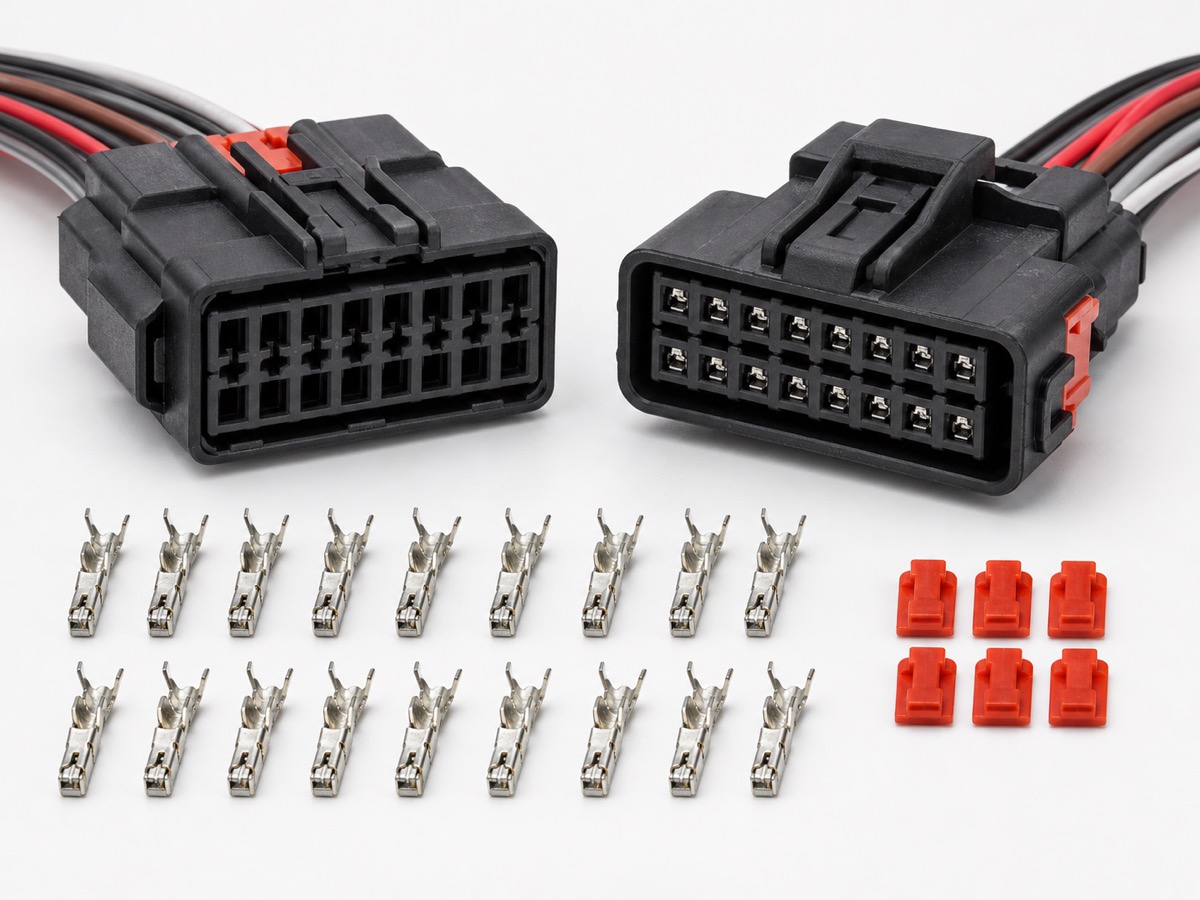
Unsealed connectors can reduce size and assembly complexity in protected locations. Selection should still review vibration, terminal retention, secondary locking, electrical load and service access.
Do not compare by price alone
A lower component price can create extra risk if the connector does not match the environment. Compare the complete connector kit, assembly work, validation requirement and replacement cost.
RFQ information
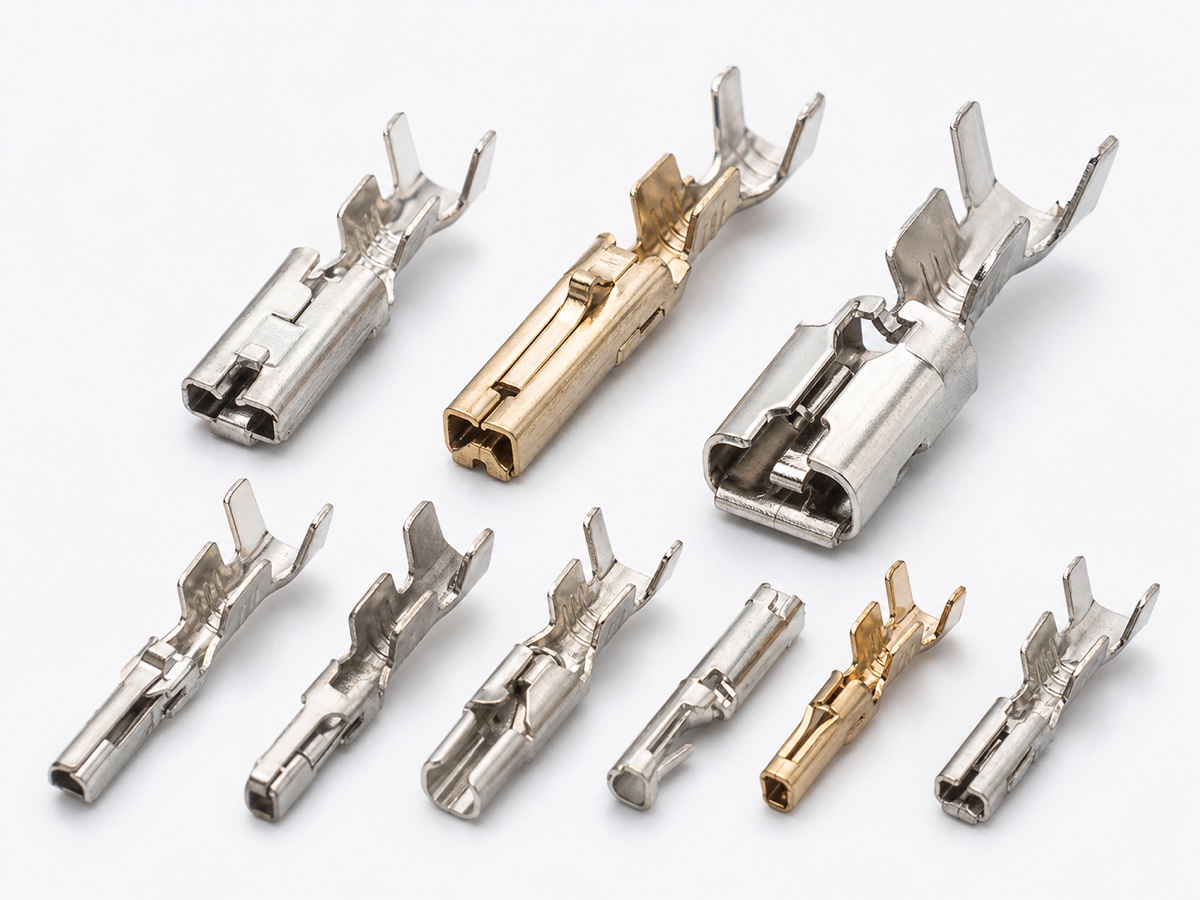
Provide vehicle location, exposure conditions, pin count, wire size, current, cable outer diameter, mating side, drawing or sample and the required supply scope.
FAQ
Common questions
Common procurement and engineering questions related to this topic.
Does every automotive connector need to be sealed?
No. The sealing level should match the vehicle location, contamination exposure, service conditions and validation requirement.
Can a sealed housing work without the correct wire seal?
It may mate, but the completed connection may not achieve the intended sealing performance. Wire outer diameter and seal compatibility must be checked.