Buyer takeaway
Clarify the connector requirement
Compare product and solution paths
Prepare RFQ details before quotation
Keep external load away from the terminal
The harness should not pull, twist or repeatedly flex the terminal crimp or wire seal. Use an approved cable exit, backshell, boot, clip or nearby harness support when required by the application.
Control bend radius and breakout position
Allow enough straight length behind the connector before the first bend or branch. Tight bends can load seals, change cable geometry, reduce latch access and make assembly or service difficult.
Plan clips and mounting points
Place supports so harness mass and vibration are not transferred into the connector. Confirm clip orientation, tolerance, installation sequence and movement between the connector and adjacent vehicle structures.
Protect sealed cable entries
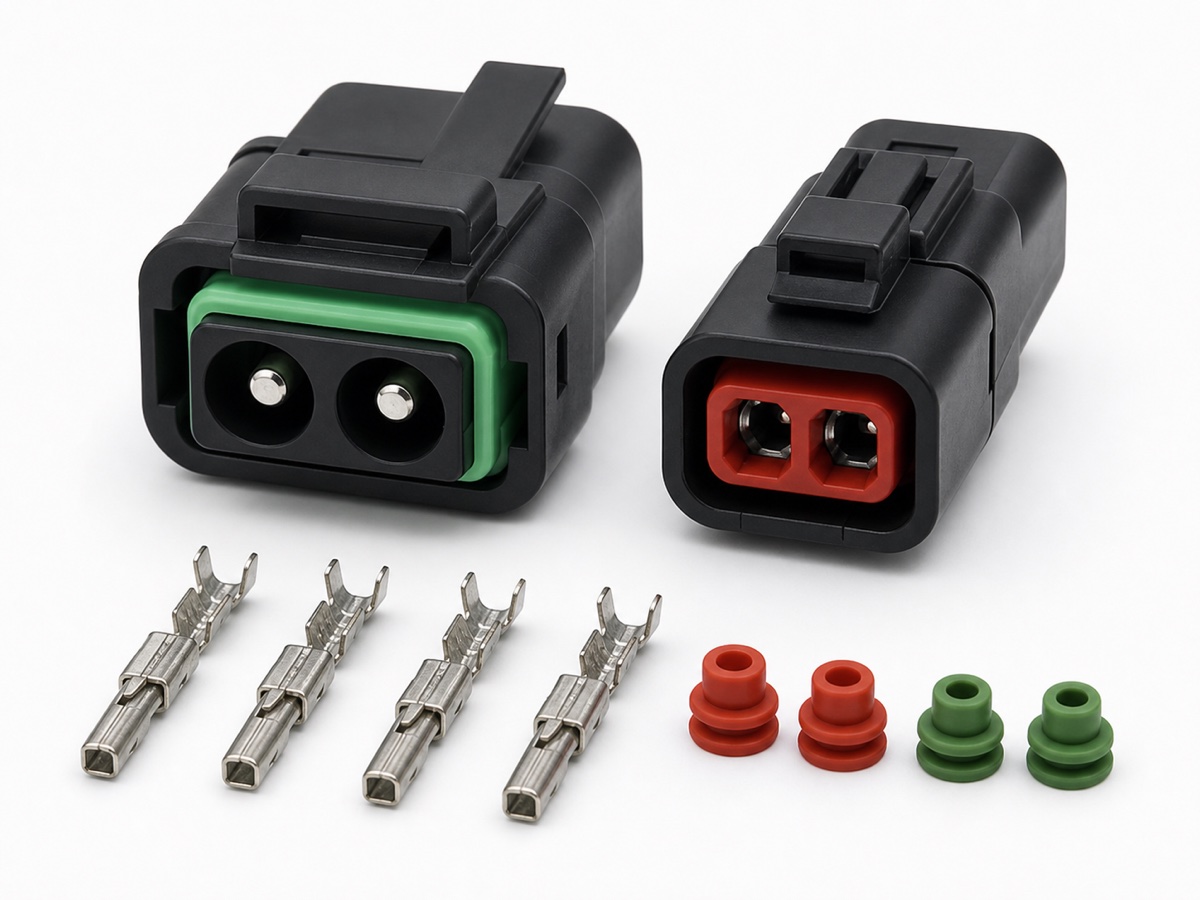
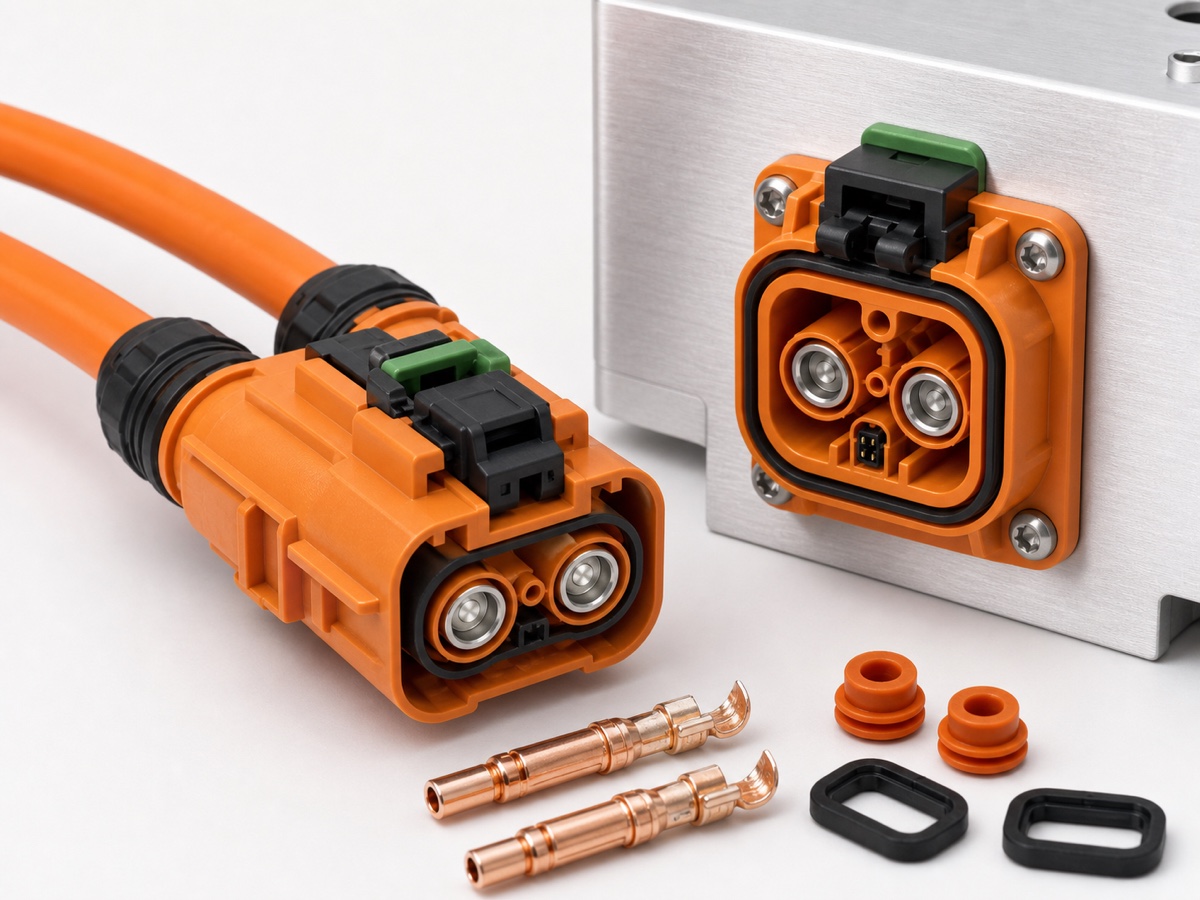
Wire seals require the correct insulation diameter and should not be side-loaded by routing. For shielded or high-voltage cable, also review cable OD, shield termination, minimum bend and connector backshell requirements.
Verify the installed condition
Review the harness in the actual packaging space through assembly, operation and service positions. Document connector orientation, cable exit, clips, bend, nearby edges, heat sources and moving parts before release.
FAQ
Common questions
Common procurement and engineering questions related to this topic.
How close should the first harness clip be to a connector?
There is no universal distance. It depends on harness mass, flexibility, vibration, connector size, vehicle motion and the approved installation specification.
Can a cable bend immediately after a sealed connector?
Avoid routing that side-loads the wire seal or terminal. Use the approved minimum bend, straight length, support and cable-exit geometry for the assembly.