Buyer takeaway
Clarify the connector requirement
Compare product and solution paths
Prepare RFQ details before quotation
List realistic exposure media
Identify fluids that can reach the connector in its vehicle location, such as oils, fuels, coolants, washer fluid, brake fluid, road chemicals or cleaning agents. Use the customer specification for the actual media and concentration.
Define exposure conditions
Concentration, temperature, duration, immersion or splash method, pressure, drying time and repeated cycles can change the result. A material compatibility table is only a screening tool unless its conditions match the project.
Review the complete assembly
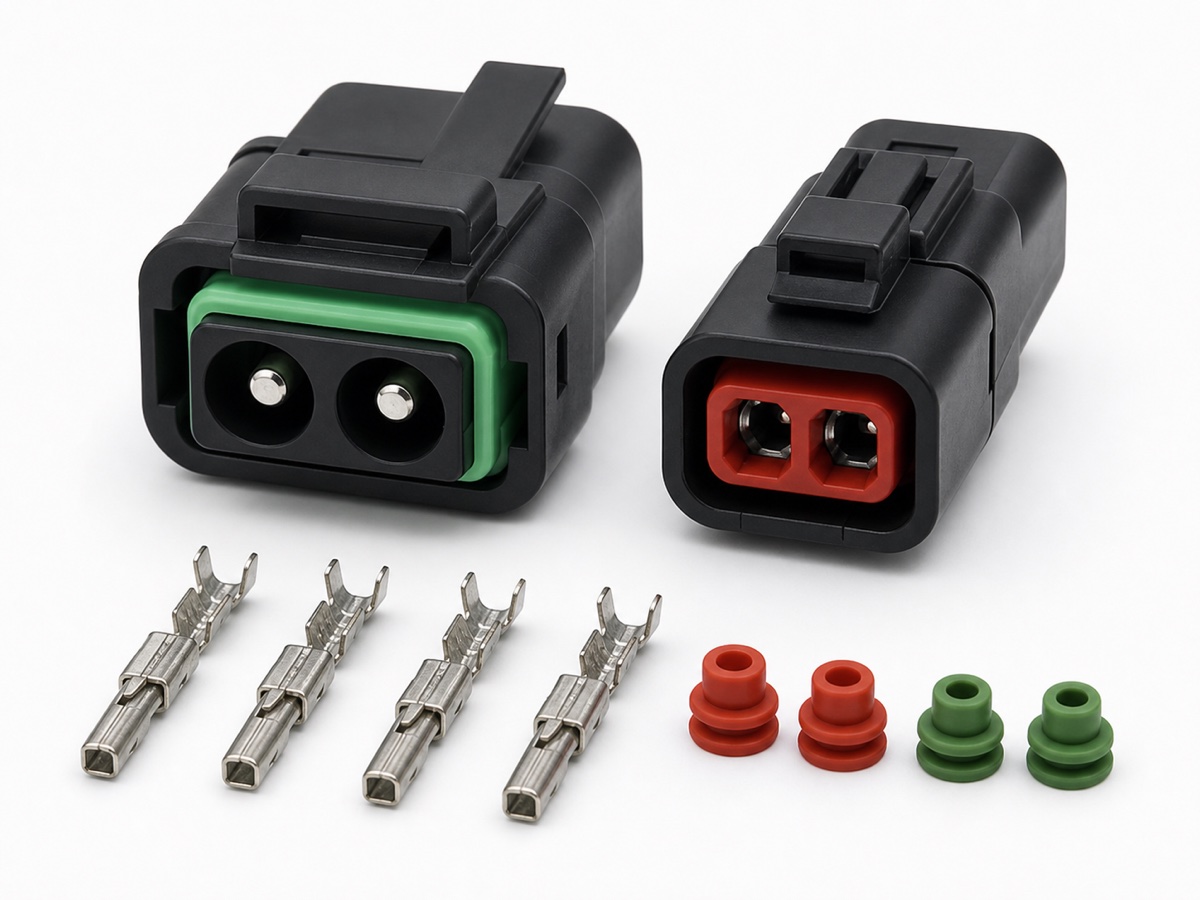
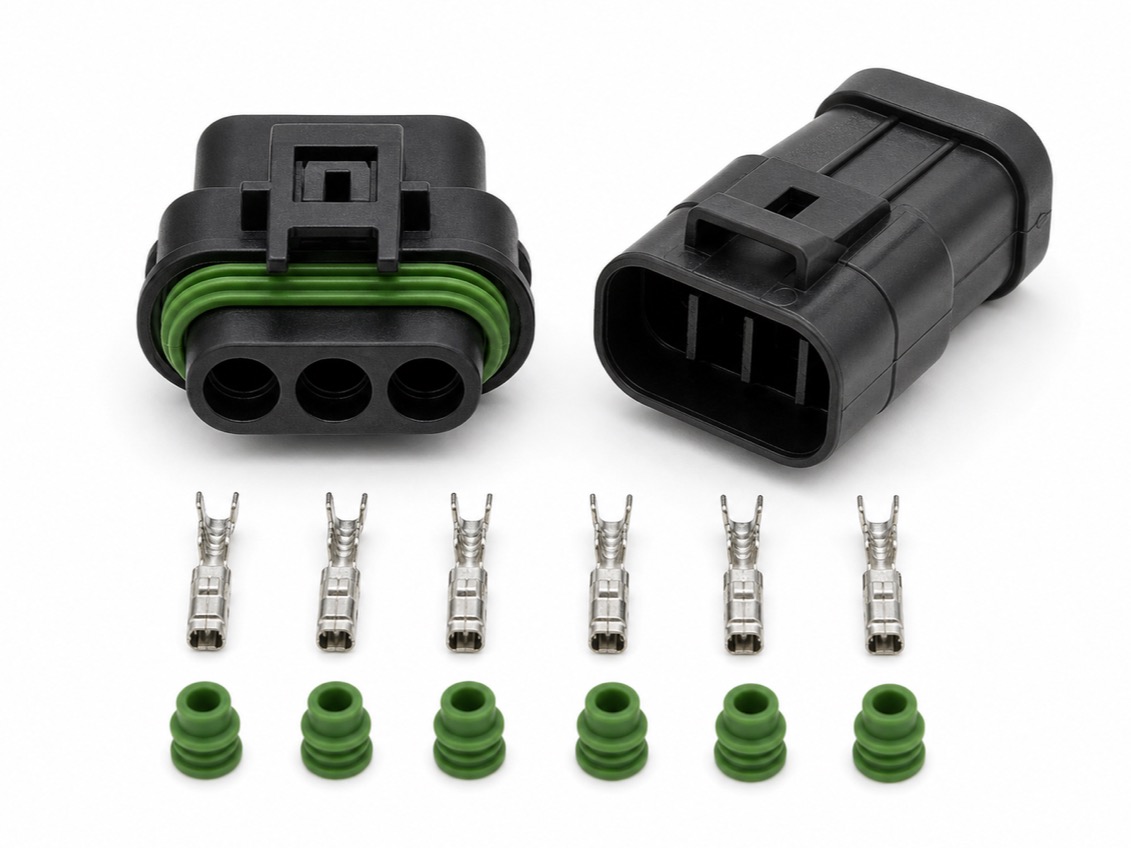
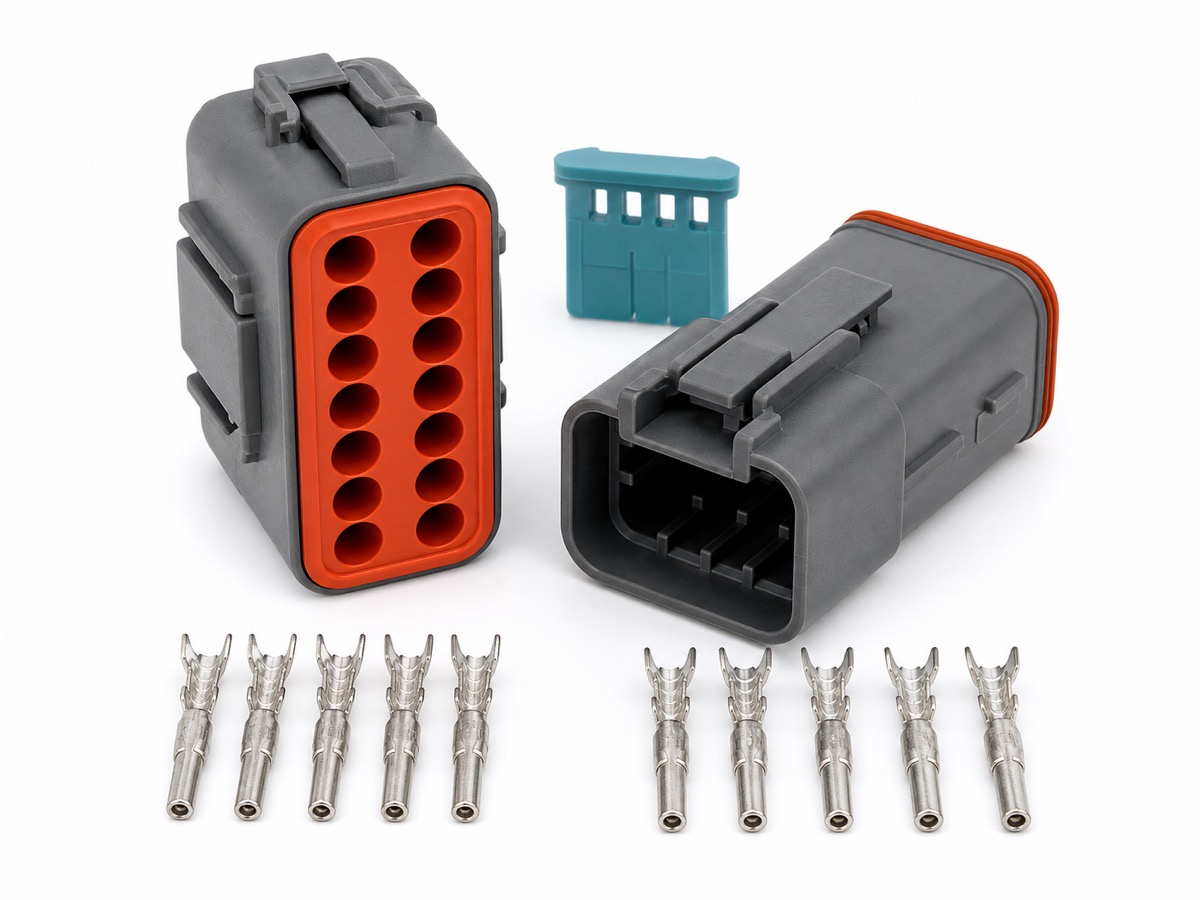
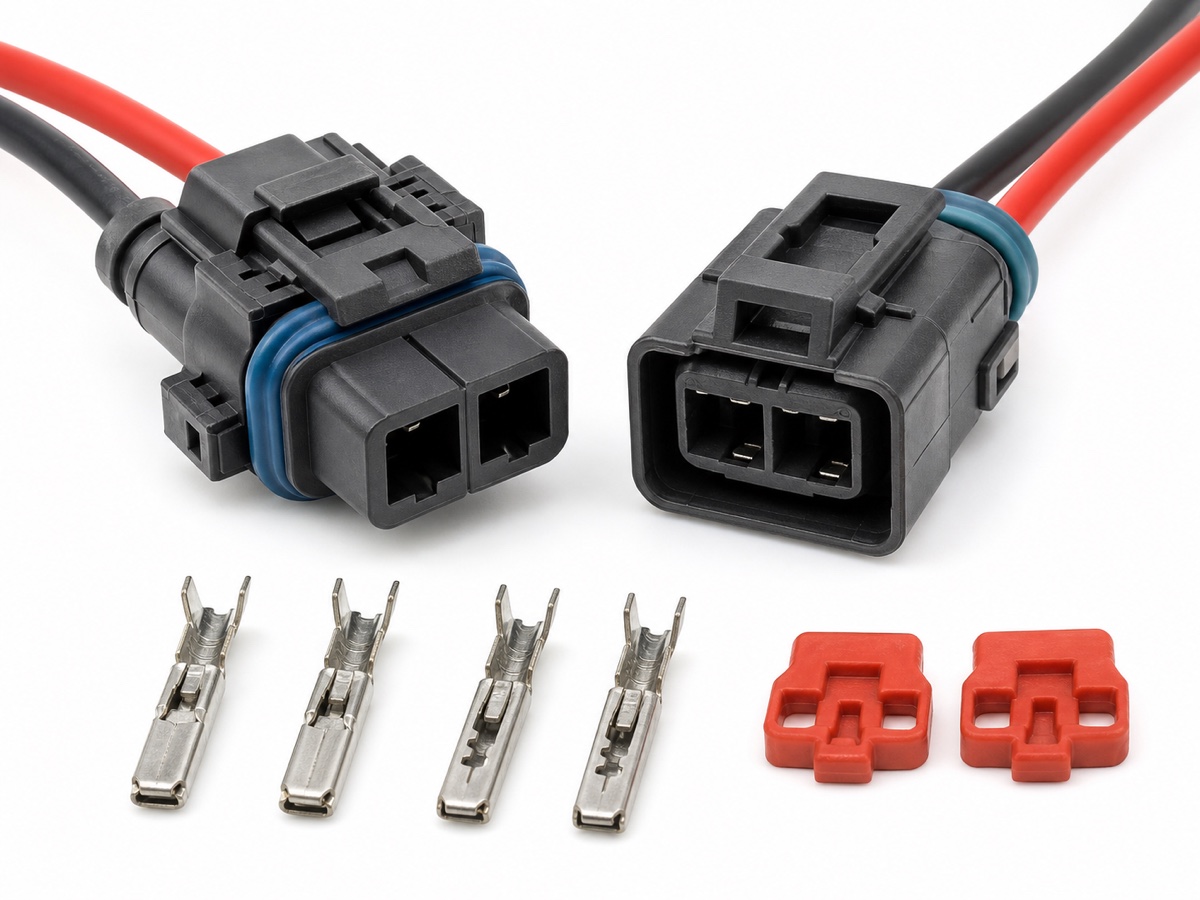
Housing resin, interface seal, wire seal, cavity plug, cable jacket, markings and terminal finish may respond differently. Evaluate dimensional change, swelling, cracking, hardness, latch function, sealing and electrical behavior as required.
Separate ingress from compatibility
An IP rating describes protection under defined water and dust tests; it does not by itself prove resistance to coolant, oil, fuel or cleaners. Both sealing performance and material compatibility may need separate evidence.
Supplier review checklist
Send the fluid list, concentration, temperature, exposure sequence, connector configuration and acceptance criteria. Record the exact material grade and seal compound so later material changes trigger review.
FAQ
Common questions
Common procurement and engineering questions related to this topic.
Does IP67 prove resistance to automotive fluids?
No. IP67 addresses dust and water ingress under defined conditions. Chemical compatibility with specific fluids requires a separate material and exposure review.
Which connector parts should be checked for chemical resistance?
Review the housing, interface and wire seals, cavity plugs, cable jacket, markings and terminal system in the complete approved assembly.