Buyer takeaway
Clarify the connector requirement
Compare product and solution paths
Prepare RFQ details before quotation
Start with voltage and current
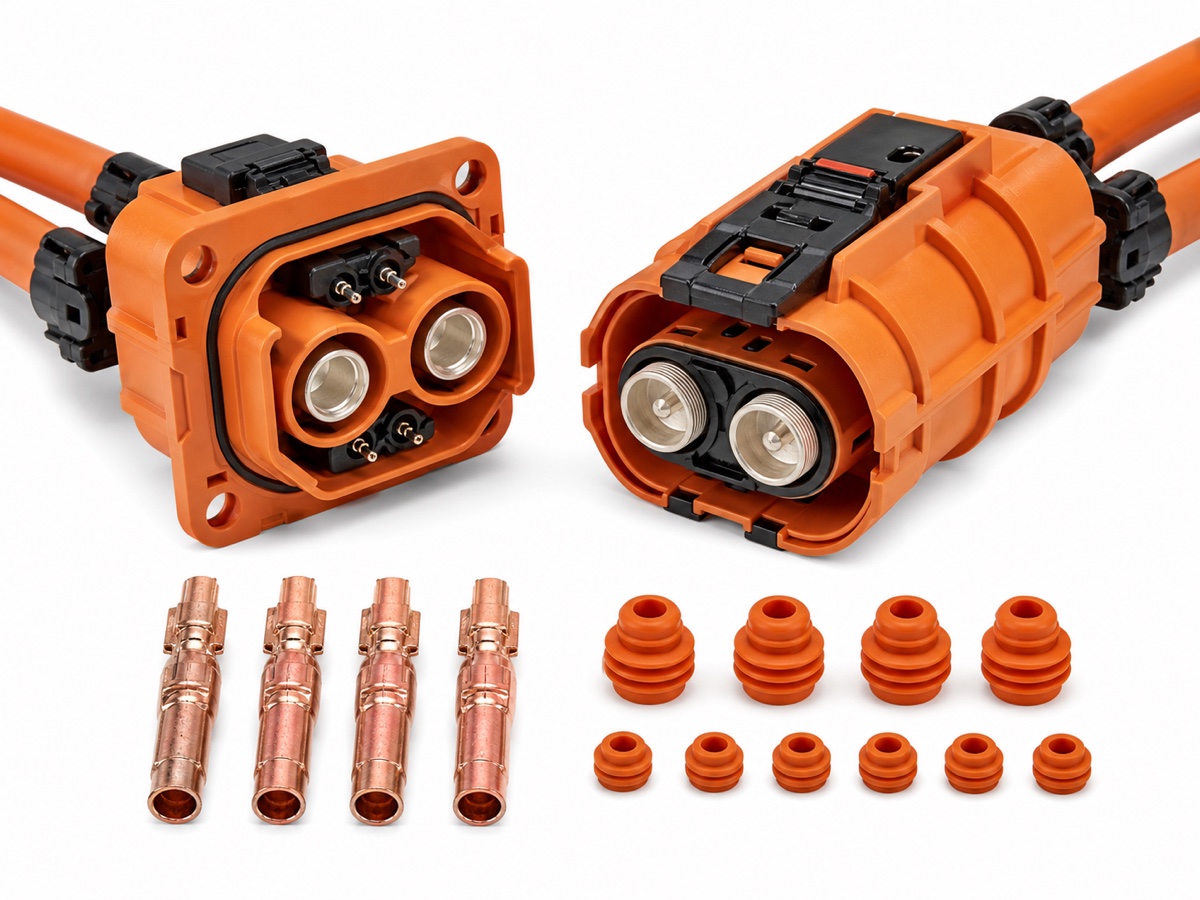
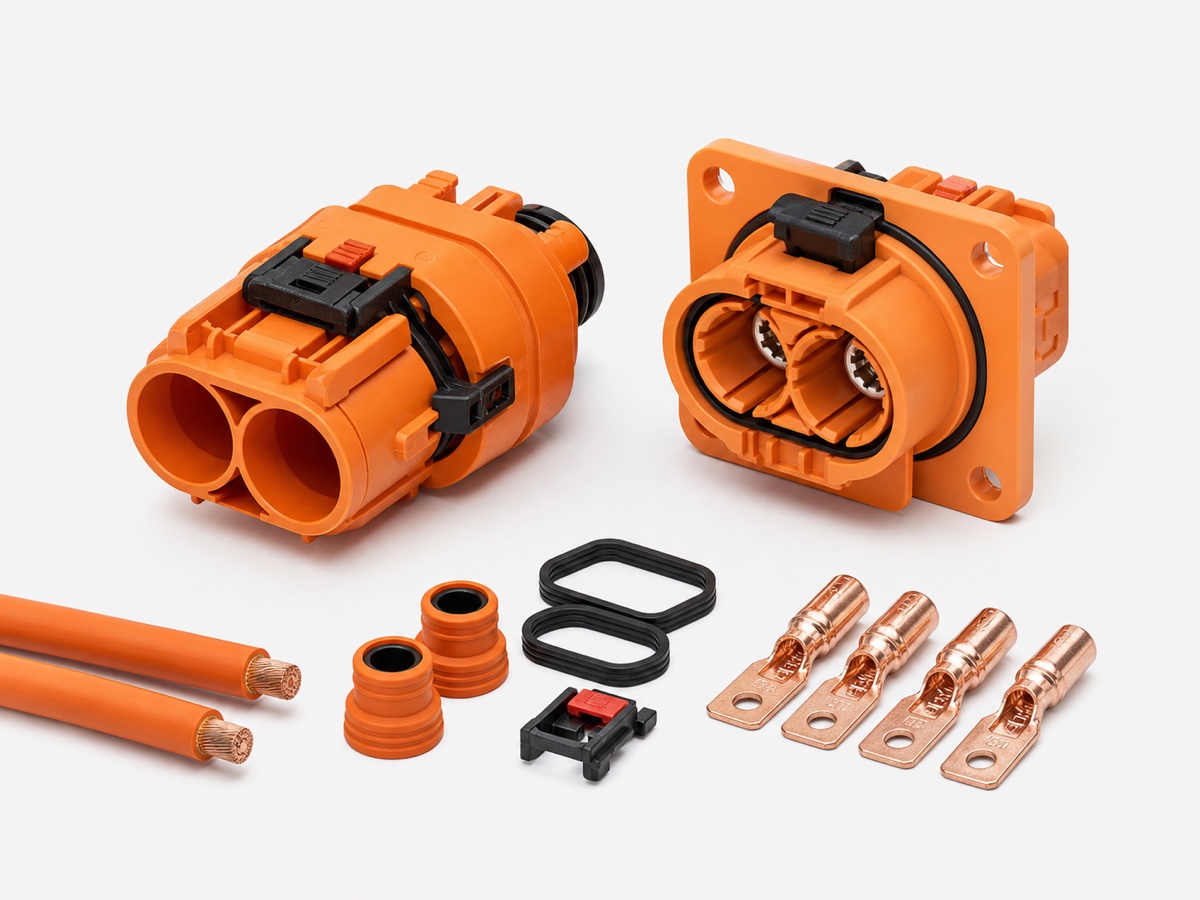
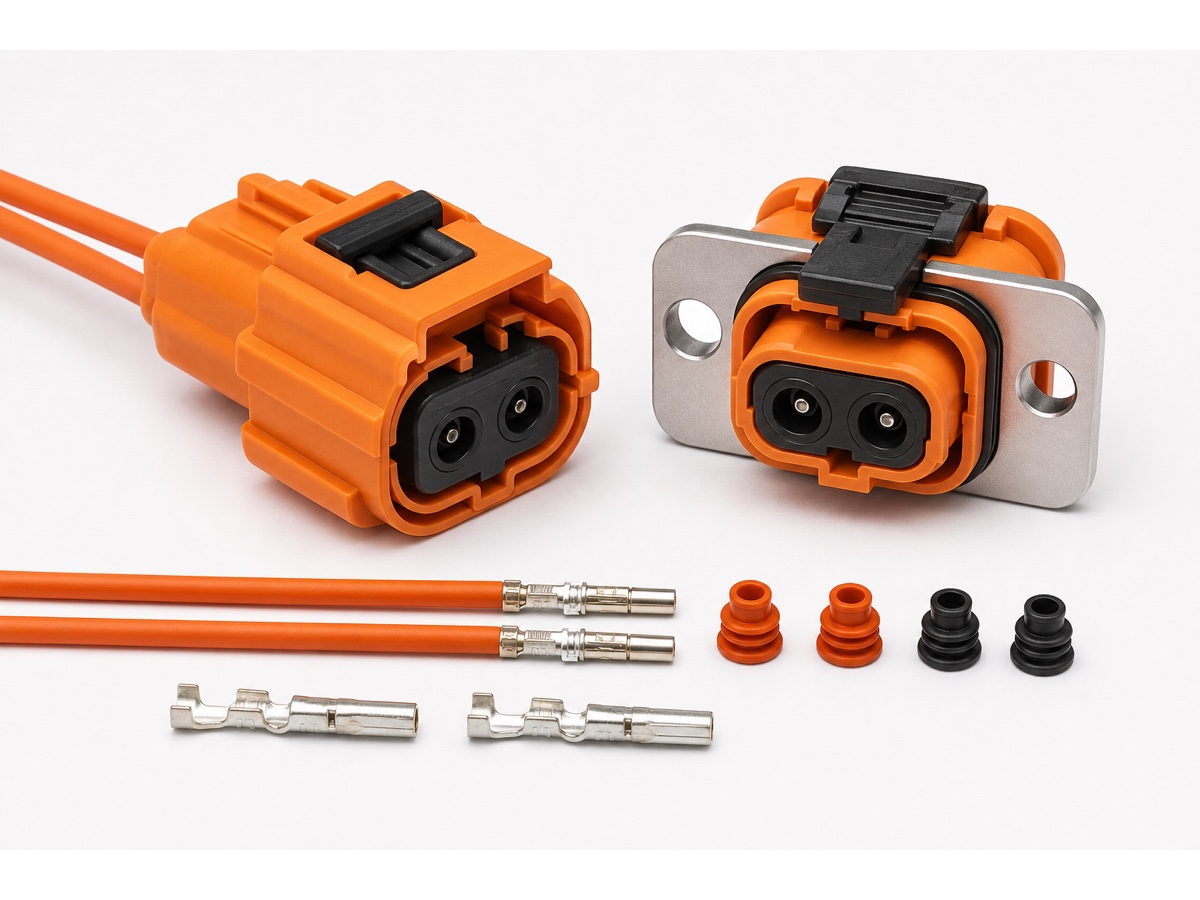
EV battery connector selection should begin with system voltage, operating current, peak current and cable size. 400V and 800V platforms may require different connector structures, creepage distance, insulation and safety review.
Waterproof and environment
Battery pack and power distribution connectors often require sealed structures. IP67 or IP68 targets should be reviewed with installation position, cable sealing, temperature, vibration and test conditions.
Safety and HVIL
High voltage interlock loop requirements should be reviewed when the connector is part of an EV safety circuit. The RFQ should clarify whether HVIL, shielding, locking and touch protection are required.
Material and temperature
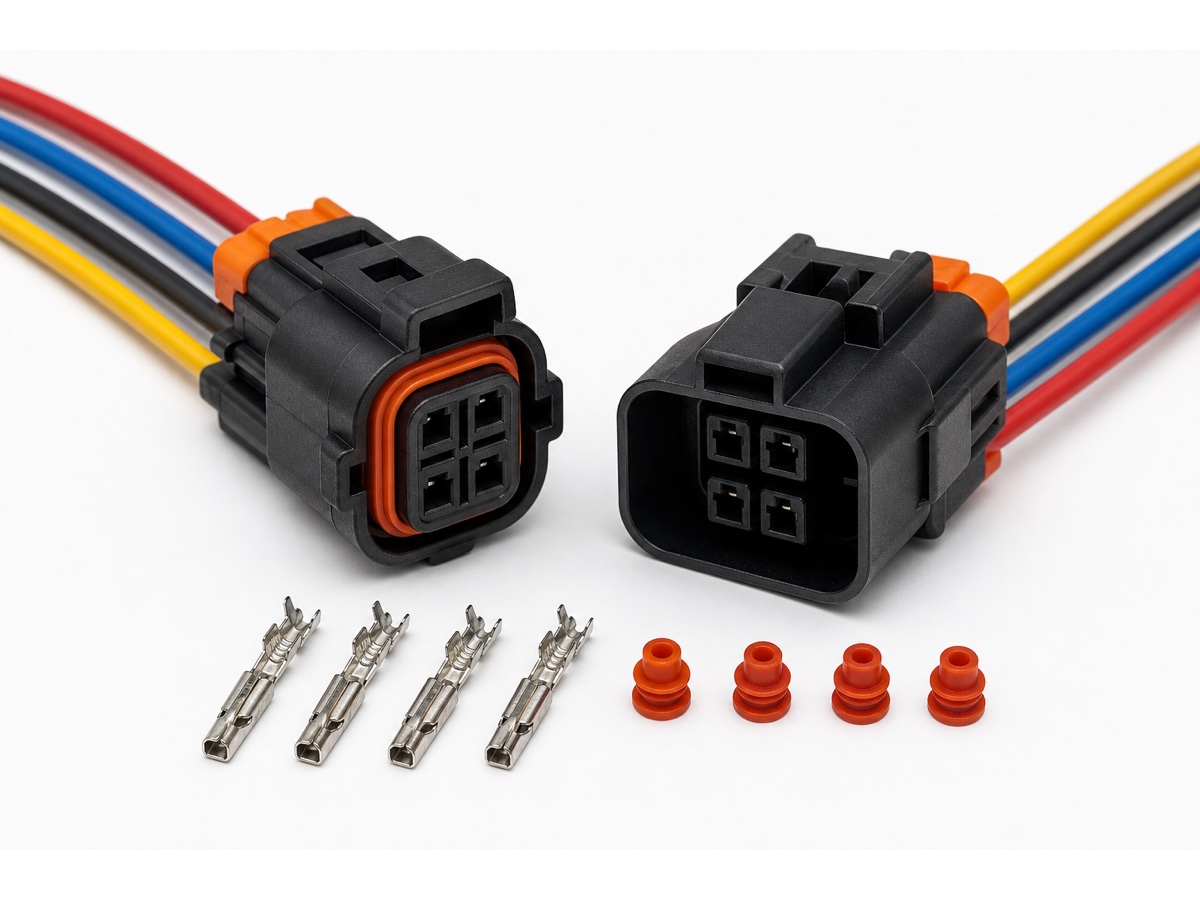
High-temperature engineering plastics, copper alloy terminals and sealing materials should be selected according to temperature range, current load and installation environment.
RFQ preparation
Before quotation, provide voltage, current, cable size, IP rating, temperature range, drawing, sample photo, vehicle system, project stage and annual demand.
FAQ
Common questions
Common procurement and engineering questions related to this topic.
What information is most important for an EV battery connector RFQ?
Voltage, current, cable size, IP rating, temperature range, safety requirement, drawing or sample reference and project stage are the most important starting points.
Does every EV battery connector need HVIL?
Not every connector requires HVIL, but high-voltage safety circuit requirements should be reviewed early in the project.