Buyer takeaway
Clarify the connector requirement
Compare product and solution paths
Prepare RFQ details before quotation
Nominal voltage is only the starting point
Define maximum operating voltage, transient conditions, circuit protection, grounding and customer electrical requirements. Two circuits with the same nominal voltage can still need different connector systems because load and environment differ.
12V vehicle circuits
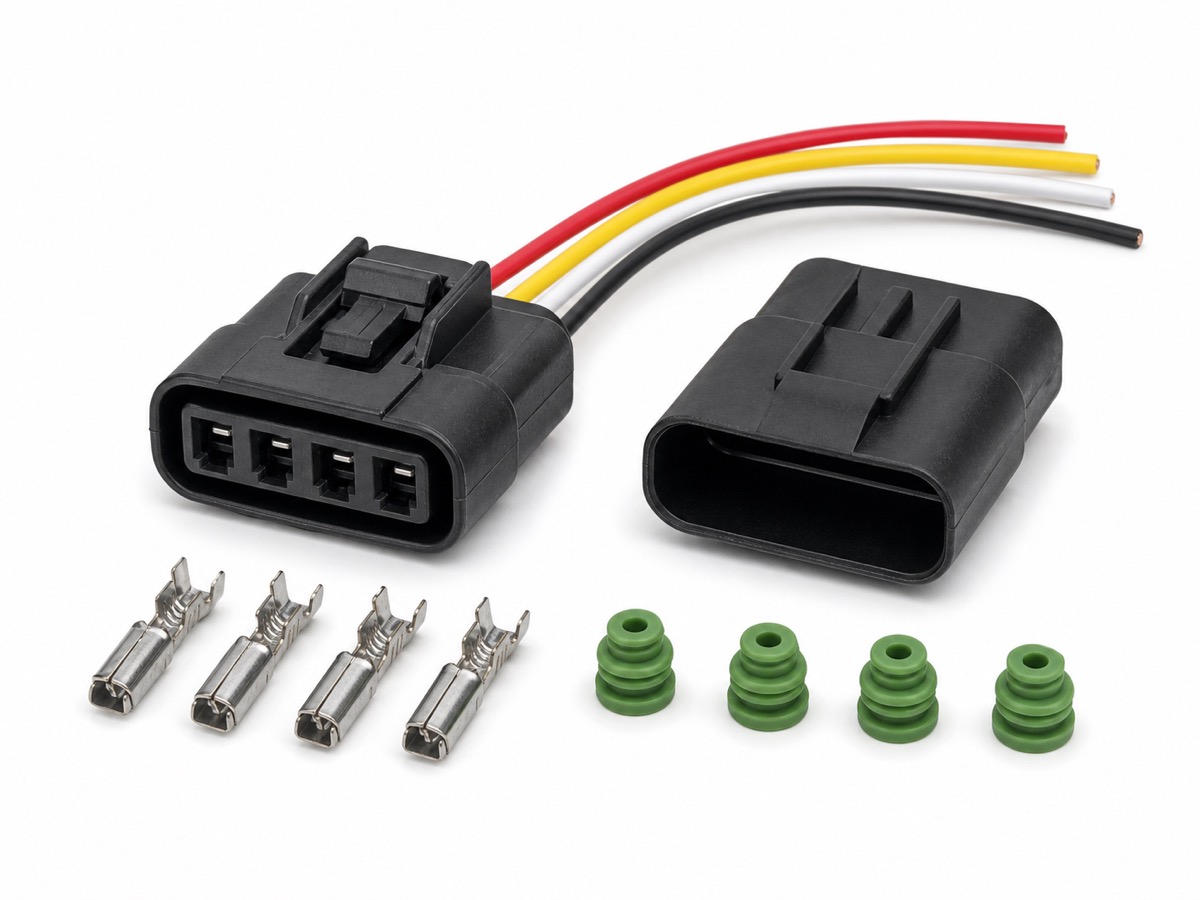
Passenger-vehicle body, lighting, sensor, control and auxiliary circuits commonly use compact low-voltage connector systems. Selection still depends on current, terminal, sealing, temperature, wire and vehicle location.
24V commercial and off-highway circuits
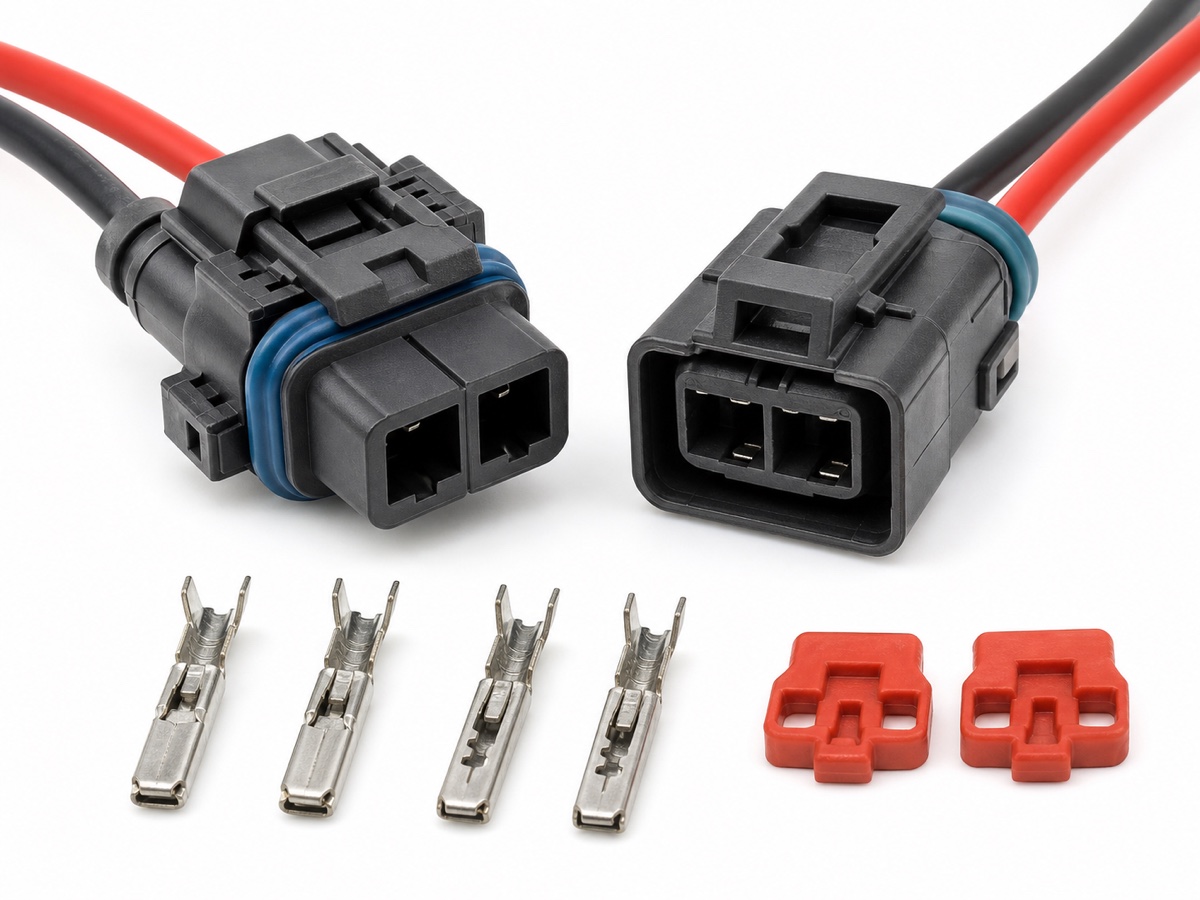
Truck, bus and equipment projects can combine 24V power with harsh chassis, engine, lighting and control environments. Review longer harness runs, current, vibration, sealing, service conditions and customer standards.
48V mild-hybrid and auxiliary power
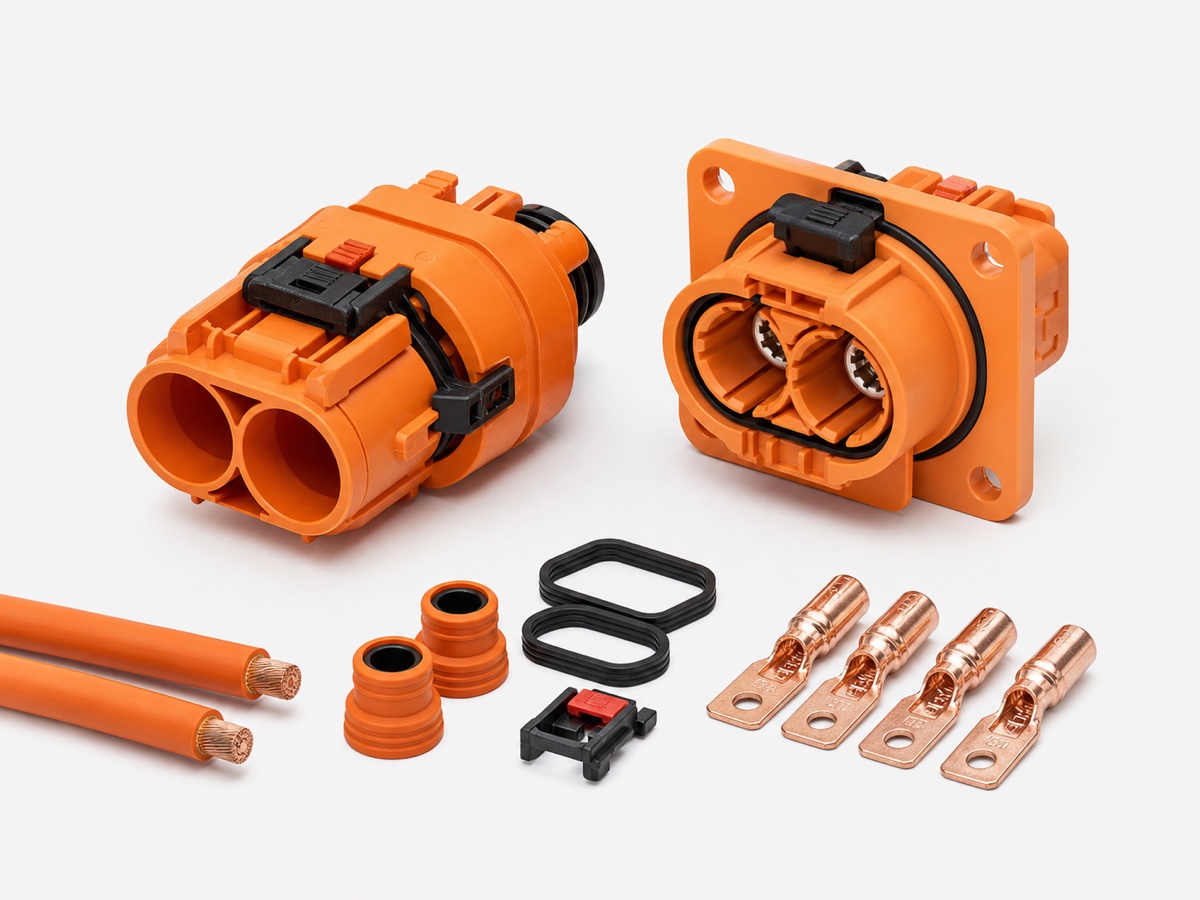
A 48V architecture can deliver more power and may introduce additional spacing, polarization, temperature-rise and protection requirements. Confirm the customer classification, color and touch-protection rules instead of assuming a universal treatment.
Comparison data for RFQ
Provide subsystem, nominal and maximum voltage, continuous/peak current, duty cycle, wire size, loaded circuits, environment, sealing, mating device and project test requirements. Use this data to compare complete interfaces.
FAQ
Common questions
Common procurement and engineering questions related to this topic.
Can the same connector family cover 12V, 24V and 48V?
Possibly, but only when voltage, current, spacing, temperature, environment, protection and customer requirements are satisfied for each application.
Is every 48V vehicle circuit treated as high voltage?
Classification and protection rules vary by customer and vehicle architecture. Follow the controlled project electrical and safety specification.