Buyer takeaway
Clarify the connector requirement
Compare product and solution paths
Prepare RFQ details before quotation
A current value needs test conditions
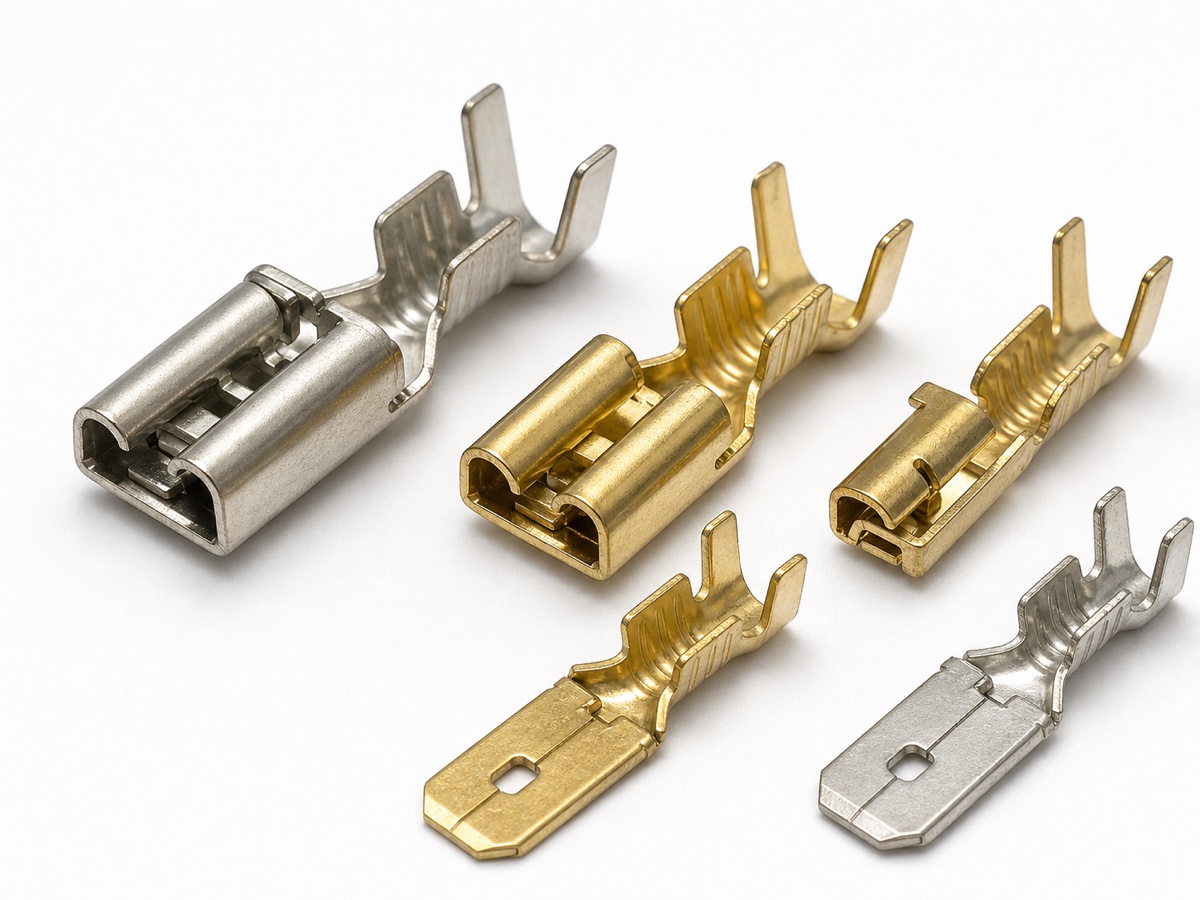
A catalog current figure is not a universal operating limit. Ask how it was measured, including terminal, wire size, number of loaded circuits, ambient temperature, airflow, enclosure, duty cycle and permitted temperature rise.
Heat sources in the connection
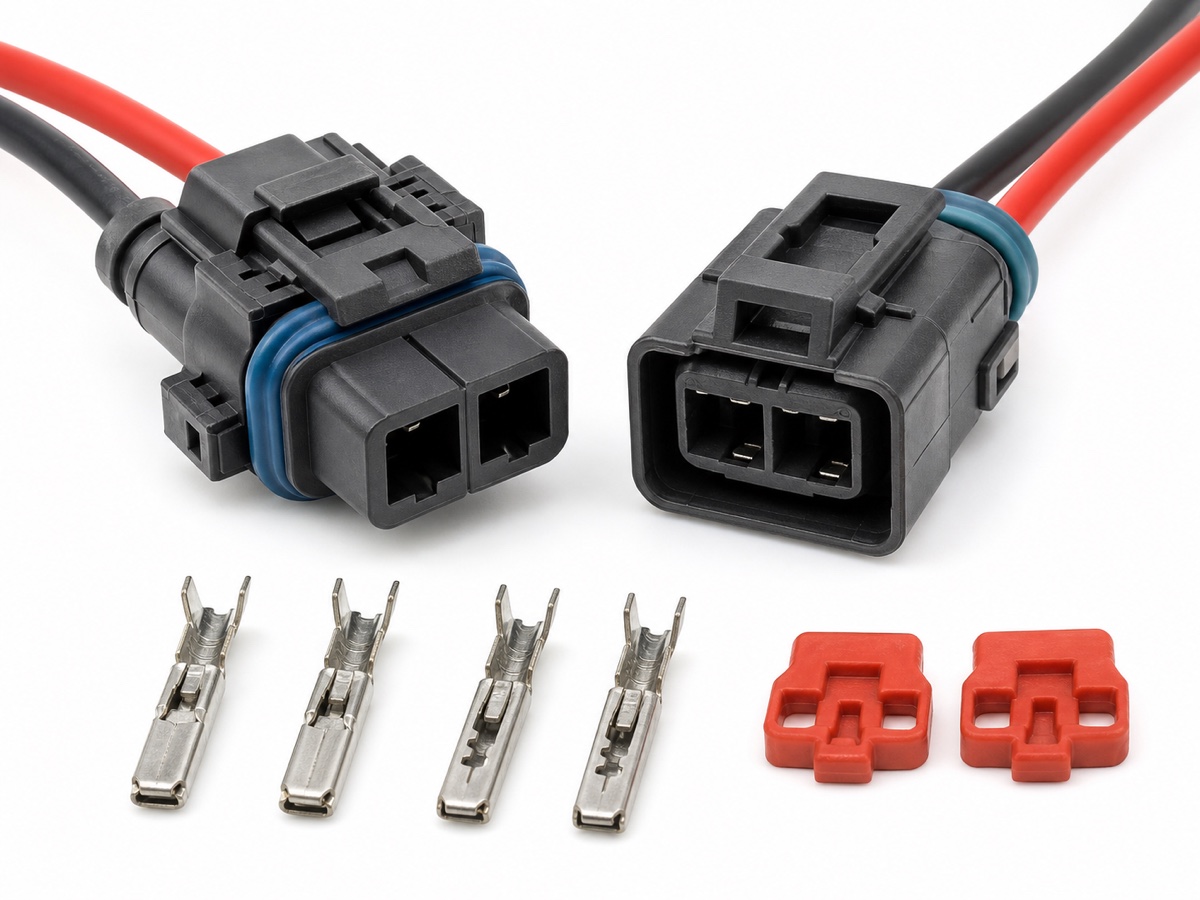
Terminal contact resistance, crimp resistance, conductor resistance and neighboring loaded circuits generate heat. Poor crimp, incomplete terminal seating or reduced contact force can increase local temperature even when current appears acceptable.
Derating factors
Higher ambient temperature, smaller cable, more loaded cavities, sealed enclosures and continuous duty can reduce available current margin. Peak loads require a defined duration and recovery condition rather than a peak number without a time profile.
Build a usable RFQ
Provide continuous current, peak current, duty cycle, voltage, wire size, cable construction, ambient and nearby heat sources, loaded-cavity count and installation details. The proposed configuration should then be validated under agreed project conditions.
Review changes before release
A change in wire, terminal, plating, crimp tool, housing material, circuit loading or enclosure can affect temperature rise. Update the thermal review and validation decision when these inputs change.
FAQ
Common questions
Common procurement and engineering questions related to this topic.
Why can the same terminal have different current ratings?
Published values may use different wire, ambient temperature, loaded circuits, temperature-rise limits and test setups. Compare the conditions, not only the number.
Does a larger wire always solve connector heating?
No. Cable size helps conductor heating, but contact resistance, crimp quality, terminal seating, loaded cavities and enclosure temperature must also be controlled.